

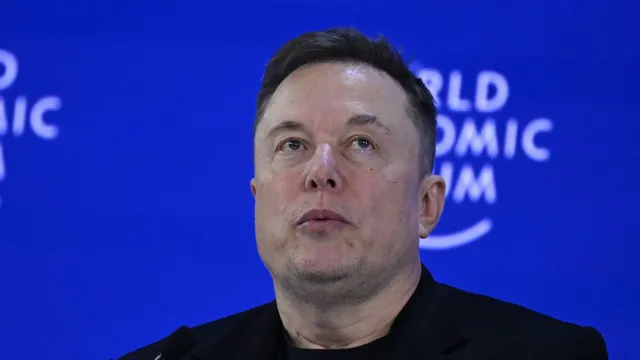
Elon Musk sues Sam Altman for $134 billion over OpenAI's controversial shift
Elon Musk sues Sam Altman for $134 billion over OpenAI's controversial shift
- Elon Musk is suing Sam Altman for two claims: unjust enrichment and breach of charitable trust.
- The trial means significant implications for the future of AI governance and commercial interests.
- Musk's lawsuit stems from a belief that OpenAI has strayed from its nonprofit origins.
Story
In a prominent case taking place in the United States, Elon Musk has initiated legal action against Sam Altman, the CEO of OpenAI, along with several co-defendants. The trial is a significant event in the tech industry and commenced with jury selection scheduled in April 2026 in Oakland, California. Musk, who co-founded OpenAI in 2015, is contesting the company's transition from a nonprofit research organization to a for-profit entity following substantial investments from Microsoft. He claims that this shift represents a betrayal of the founding mission of OpenAI, which was intended to prioritize the welfare of humanity. Musk's legal complaint outlines two specific claims: unjust enrichment and breach of charitable trust. He aimed to restore OpenAI’s original nonprofit status, seek considerable financial restitution estimated at $134 billion, and remove Altman and President Brockman from their positions. Musk’s allegations suggest that the motivations behind OpenAI’s restructuring are aligned more with corporate profit than the altruistic objectives for which the organization was initially established. OpenAI, as well as Altman and Brockman, have denied these accusations vehemently, branding them as baseless attempts at harassment. Notably, the case has drawn significant media attention, not only because it involves two major players in the tech industry but also given the controversial subject of artificial intelligence's ethical considerations. Musk's frustrations date back to his departure from OpenAI's board in 2018 and have only intensified with the company’s recent moves to secure additional funding and restructure. This legal clash is further intensified by Musk's concurrent business ventures, such as his co-founding of rival AI company xAI in 2023, positioning him and Altman in direct competition in an increasingly competitive field. As the trial unfolds, the proceedings will be divided into two phases. Initially, the jury will review Musk’s allegations and potentially offer an advisory verdict, which, while not binding, will provide insight into public opinion and the jury's interpretation of the case. Following this, the presiding judge, Yvonne Gonzalez Rogers, will determine the remedies Musk is pursuing, independently of the jury's verdict. The duration of the trial is expected to last around four weeks, during which many significant figures from the tech industry are anticipated to testify, illustrating the extensive ramifications of the verdict not just for Musk and Altman but for the future of AI regulation and nonprofit organizations. The implications of this case reach beyond financial disputes; they potentially redefine how artificial intelligence companies operate and the extent to which commercial interests can intersect with ethical responsibilities. As both parties look to prove their positions, the discussion surrounding the ethics of AI and the responsibilities associated with promising innovations continues to gain traction in public discourse.


