

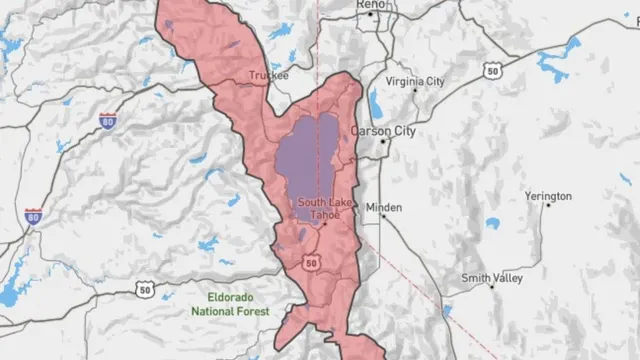
Nine skiers missing after devastating avalanche in California
Nine skiers missing after devastating avalanche in California
- On February 17, a major avalanche occurred in Northern California's Sierra Nevada, missing nine skiers.
- Rescue teams battled severe weather conditions, successfully rescuing six skiers but leaving nine missing in total.
- Search operations are ongoing, pending weather conditions, as forecasters continue to warn of extreme snowfall and avalanche dangers.
Story
In a tragic incident on February 17, a major avalanche struck a guided group of skiers in Northern California's central Sierra Nevada. The avalanche occurred around 11:30 a.m. near the Frog Lake huts, located in the Castle Peak area north of Interstate 80, as these skiers were concluding a three-day trip. The Sierra Avalanche Center confirmed it was a large D2.5 avalanche, which poses a significant risk of injury or mortality for those caught in its path. Avalanche forecasters had warned of high danger levels in the region, advising against any travel in areas capable of such events due to intense snowfall and strong winds. Search and rescue teams faced extreme weather conditions while attempting to locate the missing group, which originally consisted of 16 individuals, including four ski guides and twelve clients. The Nevada County Sheriff’s Office reported that six skiers were rescued, but nine remain unaccounted for. The six survivors exhibited varying injuries, with two transported to a hospital for further treatment. Blackbird Mountain Guides, the organizers of the trip, confirmed the unfortunate occurrence and expressed their dedication to responding to the crisis. With worsening weather conditions expected, the search efforts continued, pending the situation's improvement. The National Weather Service has issued a Winter Storm Warning for the northern and central Sierra Nevada until 10 p.m. Thursday, indicating an alarming forecast of 4 to 7 feet of snow and wind gusts up to 60 mph, leading to severe whiteout conditions. This avalanche's occurrence comes with a high avalanche warning still in effect for the Sierra region, cautioning against any travel within avalanche-prone areas. Authorities plan to deploy aircraft to assist in locating the missing skiers, hoping to capitalize on any improved weather on the day following the event. As this incident develops, the local community remains hopeful for a successful rescue of those still in danger. The avalanche's cause is yet to be determined, which adds to the urgency regarding the ongoing situation. Despite forecasters’ earlier warnings about the avalanche's likelihood due to high snowfall and wind conditions, the incident highlights the dangerous nature of backcountry skiing, especially under such severe winter weather circumstances. The tragic loss of life and the experiences of the survivors will undoubtedly spark discussions about safety measures and regulations in backcountry skiing endeavors in the future.
Context
Avalanches are a significant risk for skiers venturing into backcountry areas or even on steep slopes in resort areas. Understanding and recognizing the factors that contribute to avalanche formation is crucial for safety. Skier education on terrain selection, weather conditions, and snowpack stability plays a vital role in preventing avalanche incidents. Skiers should be aware of the avalanche forecast and actively check for warnings prior to heading out. Training in avalanche awareness, including understanding the types of avalanches, their triggers, and how to read terrain, is essential. Proper planning before skiing includes assessing the snowpack and analyzing real-time weather reports, as sudden changes can lead to dangerous conditions. Proper equipment can greatly influence the chances of survival in the event of an avalanche. Skiers should carry essential avalanche safety gear, including a transceiver, shovel, and probe, which are necessary for locating and assisting victims trapped under snow. Beyond personal safety equipment, group dynamics also play an essential role in avalanche safety. Skiers should ski in groups, maintaining effective communication, and closely monitor each other, especially when traversing known avalanche zones. A designated leader within the group can help in making crucial decisions regarding route selection and safety assessments, ensuring that each member contributes to the collective well-being. It is crucial for skiers to undergo avalanche safety training that includes rescue techniques. Knowing how to use avalanche safety equipment effectively can make all the difference in a critical situation. Regular drills on searching techniques and practicing self-rescue maneuvers can build confidence and preparedness among skiers. Additionally, skiers should familiarize themselves with evacuation routes and emergency protocols specific to the area where they are skiing. This knowledge could potentially save lives by ensuring quick and decisive action during an avalanche incident. Ultimately, avalanche safety is about preparation, awareness, and the right mindset. Skiers must cultivate a culture of safety by sharing knowledge with peers and respecting the powerful forces of nature. Making informed decisions based on comprehensive knowledge of avalanche dynamics significantly reduces dangers associated with skiing in avalanche-prone areas. By prioritizing safety through education, proper equipment, and teamwork, skiers can help ensure not only their safety but also the well-being of their companions.


