

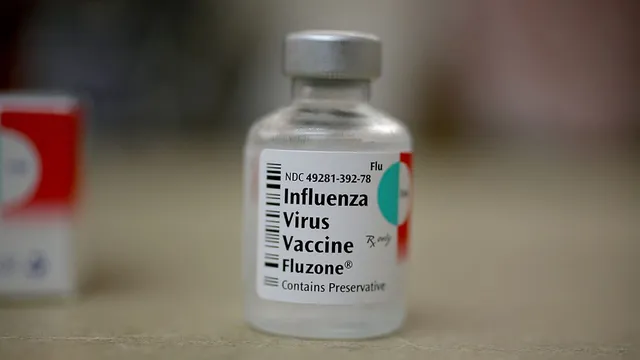
CDC reveals disappointing flu vaccine effectiveness amid renewed mandates
CDC reveals disappointing flu vaccine effectiveness amid renewed mandates
- The CDC reported that the flu vaccine had 22-34% effectiveness for adults over 18 in the winter of 2025-2026.
- The vaccine was misaligned with the circulating Influenza A strain, contributing to ineffective results.
- This raises concerns over vaccination strategies and the need for improved alignment with prevalent virus strains.
Story
In the United States, recent CDC data covering the 2025-2026 winter flu season has raised concerns over the effectiveness of the flu vaccine, particularly for adults over 18 years old. The vaccine only exhibited 22-34% effectiveness against outpatient visits for influenza and a mere 30% effectiveness against hospitalizations. The findings arose from a study investigating the flu vaccine's performance, where the most notable influenza strain was identified as Influenza A. However, the vaccine selection was misaligned with the circulating strain, contributing to the disappointing outcomes. This official review follows years of encouragement from public health authorities for vaccination against seasonal flu and COVID-19, with notable endorsements from figures such as Dr. Ashish Jha and Anthony Fauci. Despite the shortfall in efficacy, the CDC has emphasized that there was, indeed, some level of effectiveness associated with this year’s vaccine, and it still possesses a favorable risk-benefit profile. The report indicates that 37% of vaccinated individuals in the study tested positive for the flu, compared to 40% among those who exhibited flu-like symptoms but were unvaccinated. For the elderly demographic, where concerns are heightened due to increased vulnerability, the vaccine fared even worse. This raises questions about healthcare strategies and public health communications surrounding vaccination programs. The critically low efficacy raises a larger discussion on vaccine development and selection processes, especially amidst ongoing public health initiatives aiming to encourage widespread vaccination. The high profile endorsements of simultaneous vaccinations underscore a significant reliance on vaccines in combating respiratory diseases in recent years. As public health agencies continue to analyze the implications of these findings, the effectiveness, accessibility, and public perception of vaccinations may face profound scrutiny. The data from the CDC serves as a reminder of the complexities associated with vaccine efficacy and disease prevention. Overall, the disappointing performance of the flu vaccine against this year's prevalent strains signals an urgent need for a reevaluation of current flu vaccination strategies and the importance of aligning vaccine development with the circulating virus strains to better protect vulnerable populations.


