

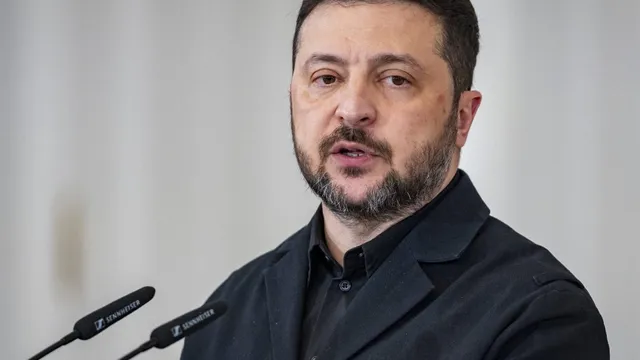
Ukraine sends 200 drone experts to Gulf nations amid Iran war
Ukraine sends 200 drone experts to Gulf nations amid Iran war
- Ukraine has deployed 200 anti-drone experts to Gulf nations including Saudi Arabia and the UAE to combat Iranian drones.
- NATO has faced criticism from President Donald Trump for its lack of military support in the Iran war.
- The assistance provided by Ukraine reinforces the evolving military collaboration aimed at enhancing defense against Iranian threats.
Story
In recent weeks, Ukraine has played a pivotal role in the ongoing Iran war, particularly by assisting Gulf nations under threat from Iranian drone attacks. Ukrainian President Volodymyr Zelenskyy revealed that his country deployed 200 anti-drone experts to various Gulf countries, including Saudi Arabia, Qatar, the United Arab Emirates, and Kuwait. Their primary mission is to assist these nations in countering Iran's drone offense, specifically the Shahed drones, which have been launched to target energy facilities across the Middle East. This assistance comes as NATO faces criticism for not providing adequate support to the United States regarding the war efforts against Iran. The deployment of anti-drone specialists is part of Ukraine's broader military strategy to combat threats posed by Iranian technology and tactics. Ukrainian forces have implemented advanced measures to counter the threat, including interceptor missiles and electronic warfare systems designed to disrupt the navigation of the drones. In contrast, Gulf nations have invested heavily in air defense systems that have proven to be both costly and less effective against such cheap drone attacks. This disparity not only highlights the effectiveness of Ukraine's approach but also underscores the increasing reliance of Gulf nations on foreign military assistance for their defense needs. Moreover, the U.S. President Donald Trump has been outspoken regarding NATO's perceived inaction during the Iran war, labeling member states as 'cowards' for not taking a more active role in supporting the efforts against Iran. Trump has indicated a shift in American support for NATO if allies do not reciprocate military assistance. As the U.S. continues to suffer casualties and faces a protracted conflict, Trump's comments reflect rising frustrations about America's historical commitment to NATO against the backdrop of current geopolitical tensions. The implications of Ukraine's deployment extend beyond just immediate military aid; they symbolize a strengthening alliance between Ukraine and Gulf nations in the face of common threats. While Ukraine seeks support in its own confrontations with Russia, this partnership also reflects a growing collaboration on a broader scale, including defense cooperation against Iran. With ongoing negotiations to resolve the conflict and an increasingly volatile situation in the region, both Ukraine and the Gulf countries are navigating a complex landscape that is likely to impact military alliances and foreign policy in the future.


