

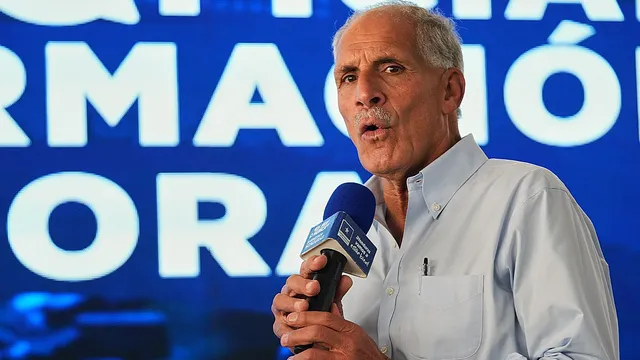
Trump-backed candidate Nasry Asfura wins presidential election in Honduras
Trump-backed candidate Nasry Asfura wins presidential election in Honduras
- Nasry Asfura won the presidential election in Honduras with a narrow margin of 40.3% of the votes.
- His victory comes amid allegations of electoral fraud and interference, mainly from rival candidate Salvador Nasralla.
- The election results reflect a continuing shift to the political right in Latin America.
Story
Honduras is navigating a pivotal moment in its political history following the presidential election, where Trump-backed candidate Nasry Asfura emerged victorious with 40.3% of the vote. The election concluded on November 30, 2025, after a prolonged counting process that raised concerns about the integrity of the electoral system. Asfura edged out his nearest rival, Salvador Nasralla, who garnered 39.39% of the votes, and the leftist party's candidate finished with only 19.19%. Asfura's win continues the trend of rightward political shifts across Latin America, notably after Chile elected a far-right president shortly before this election. The U.S. State Department promptly recognized Asfura's victory and emphasized the importance of ongoing cooperation in migration and security matters. Amidst claims of fraud and calls for a recount from Nasralla, Asfura's victory was initially clouded by allegations of electoral interference linked to Donald Trump’s late endorsement. Trump described Asfura as the only candidate who would work with Washington to ensure stability in Honduras, which likely influenced the election’s outcome. The lengthy count, lasting over three weeks, exacerbated tensions and allegations of impropriety as electoral authorities struggled to finalize results. Urgent calls from international organizations urged Honduran officials to expedite the process, emphasizing the importance of a transparent electoral system. The leftist government of Xiomara Castro faced a significant political setback as leftward movements across the region seemed to be losing ground. Castro accepted the election results despite her claims regarding Trump’s influence being tantamount to an electoral coup. Observers noted that many within her party had little belief in a legitimate win, further complicating the narrative surrounding the election. As Honduras moves forward, it must confront the implications of this shift and the challenges that lie ahead for Asfura's administration amidst claims of electoral misconduct and public skepticism about the democratic process. Asfura has publicly committed to governance and restoring faith in Honduras’ political institutions, stating, “I am prepared to govern. I will not fail you.” His election symbolizes a defining turn for Honduras, setting the stage for future political dynamics in a region grappling with shifting ideologies.
Context
The aftermath of the 2025 presidential election in Honduras has had significant implications for the country's political landscape, governance, and social fabric. Following a highly contested election period, the results reflected a deep polarization among the electorate. The winning candidate, representing a coalition of progressive parties, campaigned on promises of reform, transparency, and addressing the socio-economic inequalities plaguing the nation. Conversely, the opposition has decried the electoral process as marred by irregularities, calling into question the legitimacy of the newly elected government and leading to ongoing tensions in the streets. These developments have not only energized political discourse among various factions but have also highlighted the fragility of democratic institutions in Honduras, which has faced a history of political upheaval and corruption allegations. The new government has prioritized several key issues in its early days, including tackling corruption, reinvigorating the economy, and enhancing security measures to combat rising crime rates. The administration's commitment to reform is evident in its immediate pursuit of legislative changes aimed at improving judicial independence and establishing mechanisms for accountability among public officials. Additionally, there are plans for substantial investment in education and healthcare, acknowledging the essential role these sectors play in fostering long-term stability and growth. However, the road ahead is fraught with challenges, as the opposition remains strong and vocal, organizing protests to express dissent and exert pressure on the ruling coalition. International reactions to the election’s outcome have been mixed. While some foreign governments and organizations have expressed support for the new administration, citing its reformist agenda, others have taken a more cautious stance, advocating for the protection of democratic principles and encouraging dialogue between the opposing factions. The involvement of international observers during the election has been a point of discussion, with varied assessments regarding the election process. Moving forward, the new government will need to navigate these international relations carefully, ensuring both domestic support and the confidence of external allies. Overall, the political environment in Honduras post-elections is marked by uncertainty and potential for both progress and regression. The new administration's ability to fulfill its campaign promises while maintaining peace and stability will be critical in shaping the nation’s future. Close attention will need to be paid to how the government interacts with civil society and responds to the opposition, as these dynamics will ultimately influence the effectiveness of governance and the overall trajectory of democracy in Honduras.


