

Sweden investigates Russian captain over suspected maritime violations
Sweden investigates Russian captain over suspected maritime violations
- Swedish authorities have launched an investigation into a Russian captain for suspected maritime violations.
- The vessel Sea Owl I, thought to be sailing under a false flag, is on EU sanctions lists and previously transported oil.
- The incident highlights increasing scrutiny and intervention by Swedish authorities on maritime safety and illegal activities.
Story
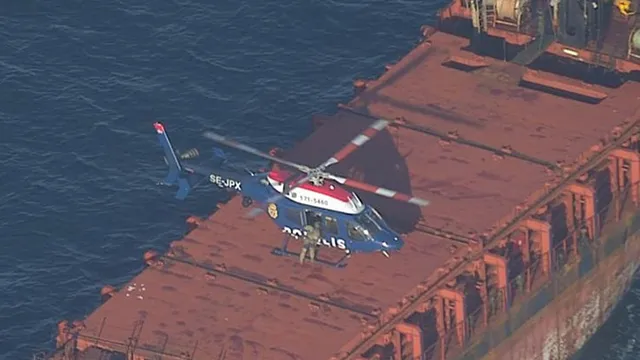
Swedish authorities are actively investigating a Russian national, the captain of a stateless vessel called Sea Owl I, which was recently boarded by the Swedish Coast Guard in the Baltic Sea. This incident took place near Trelleborg, a southern town in Sweden, marking the second occurrence of such an investigation in just one week. The vessel, claimed to be flying the flag of the Comoros, is suspected of operating under a false flag, with authorities indicating that it is listed on international sanctions by the European Union. The investigation revolves around allegations of serious crimes, including the use of false documents, as well as potential breaches of Sweden's maritime laws. As part of this investigation, senior prosecutor Adrien Combier-Hogg has stated that officials will conduct a thorough search of the vessel and carry out interrogations to ascertain the validity of the documents presented. The deputy chief of operations at the coastguard emphasized the high environmental and safety threats posed by vessels operating under false flags, leading to intervention against the Sea Owl I. Though no detentions have yet been made, the situation raises serious questions about maritime safety and the integrity of shipping practices in European waters. The Sea Owl I had recently traveled from Brazil to Russia and was previously used to transport oil between these locations. It is notable that the vessel did not appear to have cargo at the time of its boarding. The Russian embassy has refrained from commenting on the situation, following accusations from Russia that such actions constitute piracy. This incident adds to an increasing pattern where Swedish authorities have ramped up their investigations into vessels linked to the so-called Russian shadow fleet, which has raised concerns about safety and regulatory compliance due to the aging nature of these ships. In a related occurrence just days earlier, the Swedish Coast Guard boarded another vessel named Caffa, which was sailing under a Guinean flag. This vessel was reportedly manned primarily by a Russian crew and accused of transporting stolen grain while being on a sanctions list related to Ukraine. In light of these recent activities, Sweden’s government has taken steps to improve insurance checks for foreign ships navigating its waters as part of a broader strategy to strengthen maritime security and ensure adherence to international maritime regulations. These developments underscore the Swedish commitment to counter maritime crime and enhance regulatory oversight in response to the growing complexities of maritime operations in the region.
Context
The EU sanctions list plays a critical role in shaping shipping practices across various sectors. These sanctions are implemented as a response to geopolitical situations, human rights abuses, or violations of international law. When entities, individuals, or nations are placed on this list, it prompts organizations within the European Union and associated nations to reevaluate their business dealings and shipping operations. Consequently, shipping companies must exercise heightened due diligence to ensure compliance with these sanctions, understanding that engaging with sanctioned entities can lead to significant legal repercussions, financial losses, and reputational damage. To comply with the EU sanctions, shipping companies often implement strict screening protocols for their clients, cargo, and destinations. This involves utilizing comprehensive databases and global tracking systems to flag any entities on the sanctions list before proceeding with shipping arrangements. Shipping practices thus evolve to include regular updates to compliance protocols, ensuring that their operations do not inadvertently facilitate the movement of goods to or from sanctioned countries or individuals. This can also lead to delays in shipping processes as additional vetting is required. Moreover, the impact of the EU sanctions is not limited to operational practices; it significantly affects the entire logistics and supply chain management. For example, shipping routes may be altered, or certain ports may become inaccessible to avoid violating sanctions. Additionally, collaboration with freight forwarders and other intermediaries is reexamined, with a preference for partners who have robust compliance measures in place. This not only enhances efficiency but also mitigates risks associated with unintended sanction violations. Ultimately, the effect of the EU sanctions list on shipping practices fosters a culture of compliance and risk management within the shipping industry. Companies are incentivized to stay informed about sanctions updates and regulatory changes, ensuring their practices align with international laws. As geopolitical landscapes shift, the evolution of shipping practices driven by the EU sanctions underscores the importance of adaptability in the face of complex regulatory environments.


