

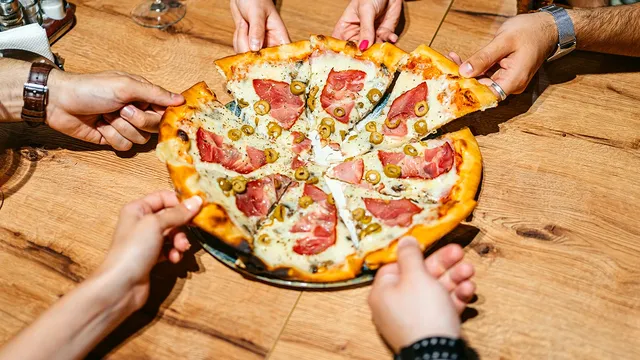
Americans call tipping culture out of control as pizza prices soar
Americans call tipping culture out of control as pizza prices soar
- Customer feedback reveals severe criticism directed at major pizza chains for excessive pricing.
- A vast majority of Americans express a desire to change tipping customs commonly accepted in dining.
- The public's growing demand for fair pricing practices indicates a potential shift in the restaurant industry's approach.
Story
In a recent assessment of dining trends in the United States, significant concerns have been raised regarding the high prices at popular pizza chains. Over 250,000 consumer reviews highlighted the backlash these establishments are facing, mainly due to their rising menu prices that many customers deem excessive. This financial strain is not limited to pizza but also extends to other sectors, notably coffee shops, where high-priced sugary drinks have come under scrutiny. Moreover, experts have reported a growing discontent around the tipping culture prevalent in America's dining experiences. Nearly 90% of Americans surveyed expressed that they feel tipping practices have spiraled out of control, suggesting a collective desire for reforms, including potentially banning service fees that may contribute to the issue. This sentiment reflects a larger trend of consumers re-evaluating their interactions with service industries, seeking fairness and transparency in pricing. The dissatisfaction with service fees and tipping highlights a significant shift in consumer attitudes, especially among younger generations who are increasingly scrutinizing the practices of traditional dining experiences. As younger Americans rethink their relationship with various goods, including wine, there appears to be a larger conversation emerging regarding what consumers believe to be reasonable pricing and expected service proportions. In particular, industry experts have noted that the evolving dining landscape demands adaptability from both service providers and consumers. As prices rise and tipping practices come under fire, restaurants face a challenging environment to maintain customer loyalty while also balancing their operational costs. This ongoing debate may influence future business models within dining establishments across the nation.
Context
The dining experience in the USA has undergone significant shifts in recent years as consumer preferences evolve and the restaurant industry adapts to those changes. One of the most notable trends is the growing emphasis on health and wellness. Consumers are increasingly seeking out menus that offer fresh, organic, and locally sourced ingredients. This shift reflects a broader awareness of nutrition and sustainability, prompting many establishments to adapt their offerings accordingly. Restaurants are capitalizing on this trend by incorporating plant-based options, gluten-free alternatives, and clearly labeling nutritional information, thereby creating an inviting atmosphere for health-conscious diners. Another impactful trend is the rise of technology in dining experiences. The integration of mobile apps for reservation management and payment processing has become commonplace, enhancing convenience and customer satisfaction. With the advent of contactless payments and online ordering systems, restaurants are streamlining the dining process, making it more efficient for both the staff and the customers. Virtual dining experiences, such as cooking classes streamed online or immersive farm-to-table experiences, are also gaining traction, enabling restaurants to connect with their audience in innovative ways and expand their reach. Moreover, the COVID-19 pandemic has fundamentally changed dining behaviors, leading to a permanent shift in how Americans enjoy their meals. Outdoor dining has surged in popularity, with many establishments investing in patio extensions or outdoor seating to accommodate client preferences for safety and comfort. Additionally, meal kits and delivery services have maintained their popularity, as consumers continue to favor convenience and dining at home. As a result, restaurants are diversifying their revenue streams, offering curbside pickup, meal kits, and ready-to-cook meals that cater to a wide range of lifestyles. In conclusion, the trends in dining experiences in the USA are marked by a more health-conscious consumer base, increased use of technology, and the enduring impact of the pandemic on dining habits. As restaurants strive to adapt to these changes, they are innovating their menus, enhancing customer experiences through technology, and diversifying their operations to remain competitive in a rapidly evolving industry. The focus on sustainability, convenience, and health will likely continue to shape the future of dining, ensuring that the landscape remains dynamic and responsive to consumer demands.


