

AI threatens job security for over two-thirds of creative workers
AI threatens job security for over two-thirds of creative workers
- More than two-thirds of workers in creative industries believe AI has undermined their job security.
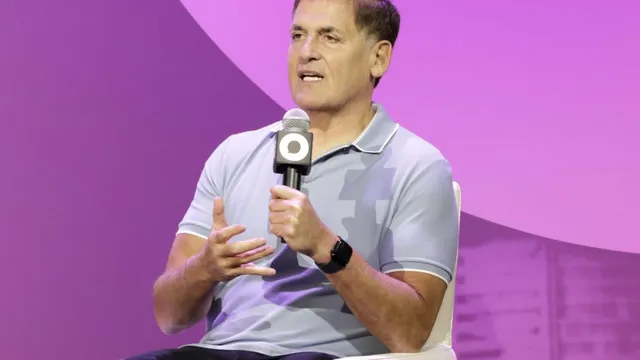
- The debate over AI's role in creativity intensified after Mark Cuban's remarks, leading many creatives to express their concerns.
- Experts predict that economic uncertainties and job displacement risks associated with AI will challenge the labor market moving forward.
Story
In 2025, the United States labor market faced significant challenges stemming from technological advancements and trade issues. Experts highlighted the potential for ongoing layoffs, with predictions of economic stagnation despite hopes for recovery. The discussion on job displacement intensified due to the implementation of artificial intelligence, which impacted various job sectors, particularly those reliant on repetitive cognitive tasks. Creatives expressed their fears that AI could replace traditional roles in the arts, film, and music, potentially undermining their livelihoods and diminishing the value of their work in favor of cheaper, AI-generated alternatives. Mark Cuban's remarks added fuel to the fire, with several creatives criticizing his business-oriented perspective on artistry and creativity. They argued that his viewpoint minimized the inherent value of human creativity and the unique processes that artists undergo to produce their work. This highlighted a broader debate around the intersection of technology and creativity, with Cuban asserting that AI could enhance the creative process by providing tools that make experimentation more accessible and affordable. Nonetheless, many artists and industry professionals expressed skepticism regarding this claim, fearing that the relentless push for efficiency could erode the essence of genuine artistic expression. The rise of AI in creative sectors prompted discussions about consent and ownership of art made by the algorithms, raising critical issues about the future of artistic jobs. According to a study from Queen Mary University of London, the majority of creatives felt their job security was compromised by AI developments, further compounding their anxiety about the shifts in the labor market. With significant layoffs announced by major companies, including Amazon and Salesforce, many workers reflected on their concerns regarding the prevalence of AI technologies replacing human jobs. As 2026 approaches, the outlook remains uncertain for creative industries, as well as for other sectors affected by tariffs and a cooling economy. The potential economic fallout from a possible AI-induced crisis looms, harking back to historical examples of economic downturns driven by sudden technological advances. Industry professionals must now navigate this evolving landscape, where the balance between leveraging technology and preserving human creativity remains a contentious topic. Overall, the fear of becoming obsolete in the face of innovation raises critical questions about the future of work and the role of technology in artistic fields.
Context
The impact of artificial intelligence (AI) on creative jobs has emerged as a pivotal topic for analysis, especially as advancements in technology continue to reshape industries. Creative jobs encompass a diverse range of fields, including art, music, writing, design, and more. Historically, these sectors have been reliant upon human ingenuity, emotion, and the ability to connect with audiences on a complex level. However, the advent of AI technologies has raised questions regarding the sustainability and evolution of these roles. AI systems, capable of generating content, composing music, and even producing visual art, have begun to trespass on territories previously thought exclusive to human creativity, prompting discussions on both the challenges and opportunities presented by this evolving landscape. One of the major concerns surrounding AI's impact on creative professions is the potential displacement of workers. As AI applications become more proficient in tasks traditionally performed by humans, there is an undeniable fear that job losses may occur. For instance, in fields like graphic design and content creation, AI tools can streamline workflows, generate visuals, and even draft written content in a fraction of the time it takes a human. However, it is important to recognize that while AI can enhance productivity, it lacks the nuanced understanding of cultural context, emotional depth, and personal experience that characterize outstanding creative work. As such, many experts suggest that AI should be viewed as a collaborator rather than a replacement. This partnership can lead to innovative outcomes where human creativity and machine efficiency combine to advance creative endeavors. Despite fears of job loss, AI also presents significant opportunities for the enhancement of creative jobs. By automating routine tasks, creative professionals can concentrate more on conceptual development and the nuanced aspects of their work that require human insight. The use of AI-driven tools has the potential to democratize creative expression, allowing individuals who may not have traditional skills or training to pursue creative outlets with greater accessibility. Furthermore, AI can analyze audience preferences and trends, providing creators with valuable insights that inform their work and help tailor outputs to resonate with their audience more effectively. In conclusion, the interaction between AI and creative jobs is complex and multifaceted. While there are valid concerns about job displacement, there is also great potential for AI to augment human creativity rather than stifle it. The key challenge lies in striking a balance where technology serves as a partner in the creative process, enabling professionals to thrive in an increasingly automated landscape. The ongoing discourse around AI's role in the creative industries will likely evolve, highlighting the need for adaptability and the recognition of human creativity's unique value.


