

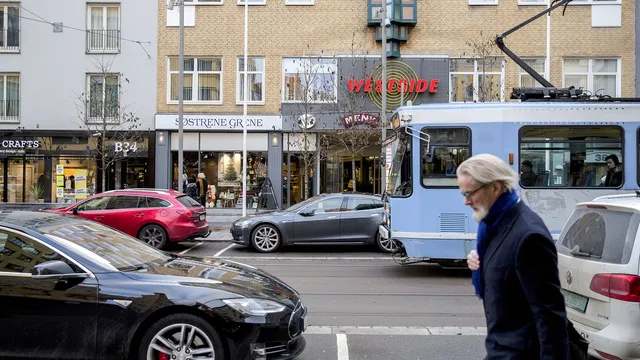
Norway leads the world in electric vehicle sales amid soaring petrol prices
Norway leads the world in electric vehicle sales amid soaring petrol prices
- Norway leads the world with 97.6 percent of new car sales being electric vehicles as of December 2025.
- The surge in EV adoption comes amid rising petrol prices, highlighting a shift in consumer behavior towards sustainable transportation.
- Norway's approach to EVs avoids political controversy, demonstrating a successful model for rapid adoption of electric mobility.
Story
Norway has become a model for electric vehicle (EV) adoption, as it currently boasts the highest proportion of EVs on its roads globally. As of March 2026, about 30% of passenger cars in Norway are electric, reflecting a significant transformation in consumer behavior over the past decade. In December, 2025, nearly all new car sales—97.6%—were electric vehicles, a drastic increase from just 15% ten years prior. This pioneering shift is largely attributed to the country's extensive incentives and infrastructure designed to promote EV use, making electric cars a viable option even in challenging conditions, such as colder climates and mountainous terrain. The surge in EV sales has coincided with rising fuel prices, particularly following geopolitical tensions that have driven up crude oil costs. On March 17, 2026, Brent crude oil prices increased significantly due to events involving Iran and Qatar, highlighting the urgency for consumers to explore alternatives to traditional fuel-powered vehicles. As fuel prices escalate, many countries, including the UK, are witnessing a resurgence of interest in electric vehicles, driven by concerns over shortages and the desire to shift to more sustainable transportation options. Unlike other nations, Norway's transition to electric vehicles has largely avoided becoming entangled in political discourse. Christina Bu, secretary general of the Norwegian EV Association, noted that while many countries face political challenges regarding EV adoption, Norway has managed to keep the focus on the technology itself rather than politicizing it. This pragmatic approach has resulted in widespread public acceptance and enthusiasm for electric vehicles, making them the new normal in Norwegian society. Christina Bu further explained that the public's perception of electric vehicles has transformed dramatically within a short period. Individuals who previously held skeptical views on EVs have shifted their attitudes as they recognize the environmental benefits associated with electric cars. Despite broader discussions on fuel dependency, Norway demonstrates that transitioning from fossil fuel-powered vehicles to electric alternatives can occur smoothly and effectively without significant economic backlash. The country's experience serves as a powerful example for others to consider furthering the EV revolution, regardless of cultural or infrastructural challenges.
Context
market market analysis global market impact global global geopolitical strategic impact economic global trends data economic data economic trends economic economic policy global shift analysis strategic insight economic shift policy geopolitical policy global insight shift insight insight market shift data insight geopolitical shift geopolitical analysis trends analysis data policy analysis geopolitical insight data global economic analysis analysis strategic market trends shift shift insight global impact data strategic economic geopolitical geopolitical market market data insight data geopolitical data trends geopolitical geopolitical...


