

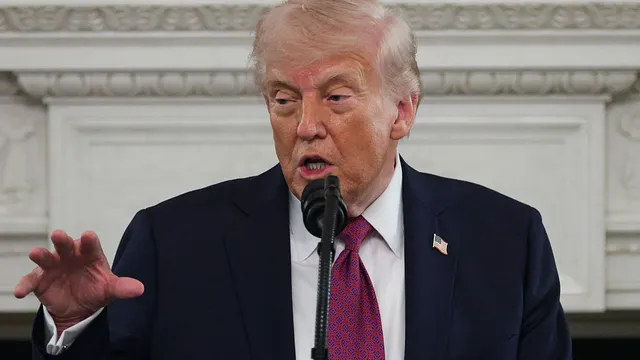
Trump faces growing discontent among crucial voter demographics
Trump faces growing discontent among crucial voter demographics
- Recent polling shows a decline in Trump's approval rating among key voter groups ahead of the 2024 elections.
- Economic pressures and geopolitical issues are contributing to growing dissatisfaction, especially among young adults and independents.
- The erosion of support across various demographics highlights potential risks for Trump's re-election campaign.
Story
In the United States, recent polling data from the AP-NORC Center for Public Affairs Research reveals notable declines in support for President Donald Trump among key voter demographics. Many voters who previously supported Trump are expressing frustration as dissatisfaction rises, particularly among Hispanic adults, younger Americans, and men. The survey, which included over 2,500 adults, highlights how economic pressures, such as rising gas prices and the impact of geopolitical tensions from the war in Iran, have negatively affected public perception of Trump's presidency. By the time of the latest polling, Trump’s approval ratings had resumed a marked downward trend since January 2026. Specifically, younger voters, notably those in the Gen Z demographic, are showing disillusionment; net approval ratings among this group decreased significantly, with a net of minus 54 percent indicating a 22-point swing since the start of the year. Similarly, Trump's standing among independents has fallen sharply, with net approval ratings shifting from minus 34 percent in January to minus 44 percent in April. As these dissatisfaction trends develop, it suggests a risk of disengagement from these demographic groups ahead of the critical 2024 elections and exposes Trump's vulnerabilities amid shifting political sentiments. Despite retaining strong support among most Republican voters, Trump's approval rating among this group has also seen erosion, dropping from a net of plus 64 percent to plus 58 percent. Meanwhile, analysts point to a shifting sentiment within the Republican base, as many supporters who were drawn to Trump's economic and foreign policy arguments have started to retreat due to the unmet expectations concerning important key issues. This trend might indicate that the once-predominant enthusiasm is waning amidst rising economic concerns and foreign policy criticisms. The broader implications of these declines follow a historical context where presidential approval ratings tend to stabilize over time, making these shifts among demographic groups particularly alarming. Though the White House maintains a confident front, asserting a strong electoral turnout in the upcoming elections, the growing discontent among critical voters could pose a significant challenge for Trump's pursuit of a second term in office.


