

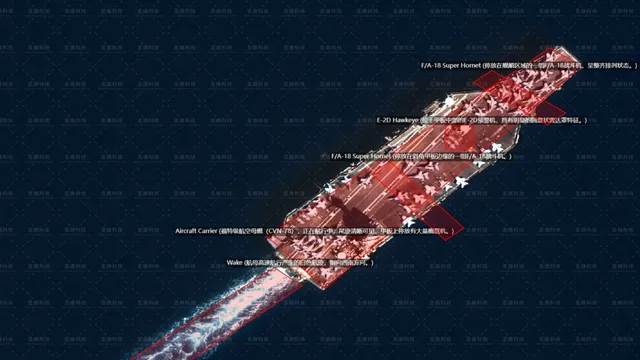
Iran secures satellite from China to track U.S. military sites
Iran secures satellite from China to track U.S. military sites
- Iran has used a satellite from China to monitor U.S. military installations across the Middle East.
- The U.S. has enacted a blockade on Iranian ports, disrupting oil transport through the Strait of Hormuz.
- Despite ongoing military skirmishes, there are attempts at diplomatic negotiations to de-escalate tensions.
Story
In the backdrop of increasing tensions, Iran has reportedly acquired a satellite from China, which it has utilized to monitor U.S. military locations throughout the Middle East. This acquisition comes amid stalled peace talks and the U.S. efforts to enhance military pressure on Iran, revealing a complicated relationship marked by conflicting reports regarding military support. While several missile stockpiles within Iran remain untouched, U.S. intelligence suggests that China is planning to furnish Iran with new air defense weaponry. Despite ongoing tensions, recent developments point towards attempts at diplomatic solutions, yet the situation remains precarious. Adding further complexity to the geopolitical landscape, the U.S. has implemented a blockade on Iranian ports, impacting maritime trade routes through the vital Strait of Hormuz. This blockade has led to the turnarounds of multiple vessels, indicative of the U.S.'s firm stance against Iranian military capabilities. Concurrently, key global leaders such as President Donald Trump have sought to maintain diplomatic dialogue while emphasizing military readiness in anticipation of shifts in the conflict's trajectory. Recent developments indicate a potential shift in U.S. strategy towards a peace deal with Iran, with efforts underway to address contentious issues surrounding Iran's nuclear ambitions and control over critical waterways. The upcoming White House discussions involving Israeli and Lebanese leaders also highlight the interconnectedness of the regional conflict, as Israel continues its military operations against Hezbollah, further complicating the situation. Despite these efforts, the U.S. administration remains under pressure to navigate its foreign policy objectives gracefully as global perceptions of the Iran conflict shift. As global oil markets remain sensitive to these developments, apprehension grows regarding the broader implications for international relations and regional stability in the Middle East. The interactions between these nations underscore the precarious balance of power and the fragility of ceasefire agreements, making it clear that while dialogue is initiated, the road toward lasting peace is fraught with challenges and uncertainties.


