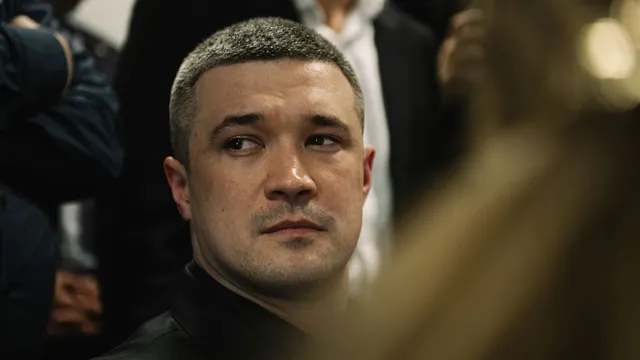
In Ukraine, the approval rating of former Defense Minister Mykhailo Fedorov surged from 35% to 65% following his dismissal on July 16, 2026. This significant increase was revealed in a poll conducted by Rating Group on July 20-21, which showed that 72% of respondents opposed his removal. The dismissal sparked widespread protests across the country, with thousands taking to the streets daily to express their discontent. Fedorov's popularity has now surpassed that of President Volodymyr Zelensky, who has an approval rating of 59%.
The political landscape in Ukraine has been tumultuous, particularly in the context of ongoing military reforms and the war effort against Russia. Fedorov was seen as a highly effective leader, credited with significant contributions to Ukraine's military strategy and procurement reforms. His removal has raised concerns among citizens and military personnel about the future of these reforms and the overall direction of the country's defense strategy. The protests against his dismissal reflect a broader desire for change and accountability within the government.
In the wake of Fedorov's firing, the approval ratings of other political figures have also been affected. Former Commander-in-Chief Valerii Zaluzhnyi leads with a 70% approval rating, while Kyrylo Budanov, Zelensky's Chief of Staff, stands at 62%. The political dynamics are shifting, with Fedorov emerging as a potential figurehead for a reform movement that could challenge the current administration. The public sentiment indicates a growing demand for transparency and effective leadership in the military sector.
As the situation unfolds, the implications of Fedorov's dismissal may extend beyond immediate political consequences. Analysts suggest that this could be a pivotal moment for Ukraine's reform movement, as citizens rally around the idea that victory in the ongoing conflict requires significant changes in leadership and policy. The protests and rising approval ratings for Fedorov signal a potential shift in public opinion that could reshape the political landscape in Ukraine in the coming months.