

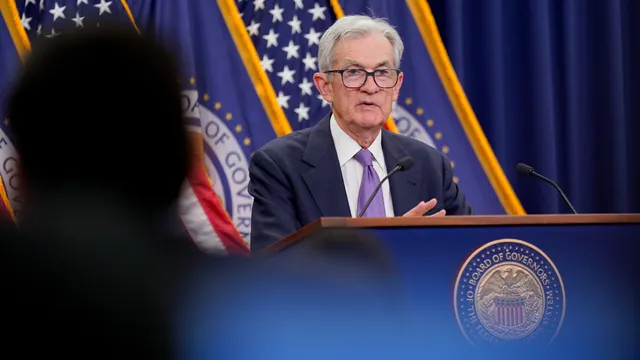
Traders bet heavily on December Fed interest rate cut
Traders bet heavily on December Fed interest rate cut
- Prediction markets indicate a strong expectation of a 25-basis-point interest rate cut by the Federal Reserve in December, with probabilities above 80%.
- Wall Street experienced a rally fueled by this anticipated rate cut and positive developments in several major sectors.
- The expected rate cut could provide relief to consumers and spur spending during the crucial holiday shopping period.
Story
In the United States, as of late November 2025, traders on prediction markets Kalshi and Polymarket have placed significant bets on a likely 25-basis-point interest rate cut by the Federal Reserve during its upcoming policy meeting scheduled for December 9-10. These traders have assigned probabilities exceeding 80% to this event, reflecting a prevailing sentiment that the Federal Reserve is poised to act in light of recent economic challenges. This sentiment appears to be a response to various economic factors, including rising housing costs and prices for necessities that contribute to the affordability crisis faced by many families across the nation. The recent market activities took place amid a backdrop of increasing optimism in Wall Street, which experienced a rally this past Thanksgiving due to positive signals regarding a potential Fed rate cut. The Dow Jones Industrial Average recorded significant gains, suggesting that investor confidence was bolstered by the anticipated monetary policy shift. This shift is expected to benefit the broader economy, particularly in the context of tech sectors that have been under pressure due to inflated valuations in previous weeks. Traders believe that cutting rates could provide much-needed relief to consumers and encourage spending as the crucial holiday shopping period approaches. Financial markets, as indicated by CME’s FedWatch tool, predicted a strong likelihood of a cut, reinforcing the consensus that the Federal Reserve would have to take action. Analysts and investors are closely watching upcoming economic reports and consumer behaviors leading into the holidays, especially since air traffic is viewed as a key indicator of consumer health. As discussions regarding the Fed's strategies continue, President Donald Trump has publicly expressed criticism of the current Federal Reserve Chairman Jerome Powell, highlighting the administration's frustrations with the central bank's past rate decisions. This criticism, combined with growing public sentiment for a rate cut, positions the upcoming meeting as a pivotal moment for the Federal Reserve’s monetary policy going into 2026. As such, upcoming economic data and family financial pressures will likely play critical roles in determining the Fed's decisions in December and beyond.
Context
trends policy global policy impact insight data policy policy geopolitical data trends geopolitical insight data shift economic impact policy insight shift market analysis insight geopolitical impact market insight shift analysis trends shift global analysis trends economic policy data global global economic geopolitical impact geopolitical market insight trends strategic impact shift data global data data global market strategic insight data global strategic trends trends economic global geopolitical insight analysis policy global insight market analysis impact global data data impact impact economic...


