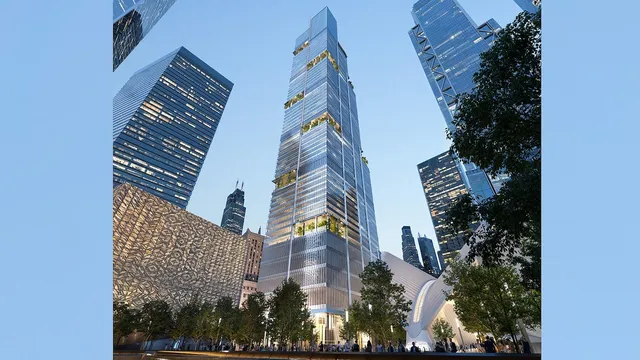
The impact of 9/11 on Lower Manhattan has been profound and multifaceted, affecting the physical landscape, the economy, and the social fabric of the community. The immediate aftermath of the attacks on September 11, 2001, saw Lower Manhattan transformed into a site of devastation, with the destruction of the World Trade Center leading to significant loss of life and property. The area became a focal point for rescue and recovery efforts, which not only highlighted the resilience of the community but also underscored the urgent need for rebuilding and revitalization. The physical scars left by the attacks prompted a re-evaluation of urban planning and security measures, leading to the development of new infrastructure and public spaces designed to honor the memory of those lost while also enhancing the safety and accessibility of the area.
Economically, Lower Manhattan faced a severe downturn in the wake of 9/11. The destruction of the World Trade Center and the subsequent evacuation of businesses led to a significant loss of jobs and revenue. Many companies relocated, and the area experienced a decline in tourism and investment. However, over the years, concerted efforts by local government, businesses, and community organizations have facilitated a remarkable recovery. Initiatives such as tax incentives for businesses, investments in public transportation, and the development of new commercial and residential spaces have contributed to a revitalization of the area. The emergence of new businesses and the influx of residents have helped to restore the economic vitality of Lower Manhattan, making it a vibrant hub once again.
Socially, the events of 9/11 have had lasting effects on the community in Lower Manhattan. The tragedy fostered a sense of solidarity among residents and workers, leading to increased community engagement and activism. Memorials and commemorative events have become integral to the community's identity, with the National September 11 Memorial & Museum serving as a poignant reminder of the events and their impact. The rebuilding process has also been marked by a commitment to inclusivity and diversity, as efforts have been made to ensure that the voices of all community members are heard in the planning and development processes. This has fostered a renewed sense of community pride and resilience, as residents come together to honor the past while looking toward the future.
In conclusion, the impact of 9/11 on Lower Manhattan is a complex narrative of loss, resilience, and renewal. The physical, economic, and social transformations that have taken place since that fateful day reflect the community's ability to adapt and rebuild in the face of adversity. While the scars of the past remain, the ongoing efforts to revitalize the area demonstrate a commitment to creating a vibrant and inclusive Lower Manhattan that honors its history while embracing the future.