

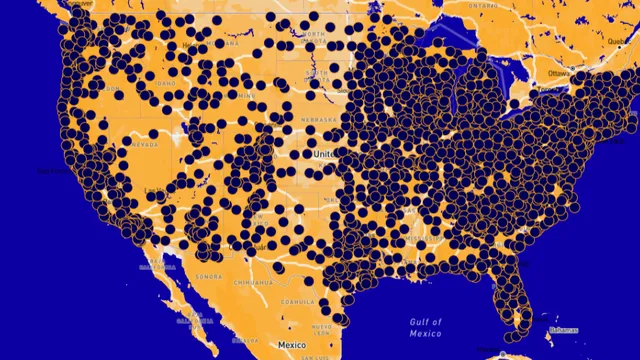
Millions expected to protest against Trump across the globe
Millions expected to protest against Trump across the globe
- The ‘No Kings’ protests are expected to see millions of people gather nationwide and internationally on March 28, 2026.
- Protests highlight increasing discontent with President Trump’s administration, specifically concerning the war in Iran and economic issues.
- Organizers state these protests could be the largest non-violent demonstrations in American history, indicating a broad coalition for change.
Story
On March 28, 2026, demonstrators across the United States and worldwide are participating in the third iteration of the 'No Kings' protests against President Donald Trump. Planned protests include over 3,100 events taking place in cities across the nation and numerous locations abroad, highlighting widespread dissatisfaction with Trump's administration. Organizers anticipate unprecedented participation, with millions expected to join for what they believe could be the largest non-violent demonstration in American history. The protests have been fueled by a variety of political tensions, including ongoing military actions abroad, specifically a controversial war in Iran, and rising domestic issues such as increasing costs of living. The demonstrations are characterized by their diverse participation, drawing individuals from various political backgrounds, including those in Republican-leaning areas, indicating that discontent with Trump's policies transcends party lines. This broader appeal underscores the movement’s message that no leader should possess unchecked power. The 'No Kings' movement emerged as a response to perceived government overreach and prioritization of military spending over domestic welfare—highlighted by recent incidents involving federal agents in Minnesota that resulted in the deaths of two American citizens. Organizers, including groups like Indivisible and the ACLU, have emphasized their commitment to non-violence, seeking to ensure that the protests remain peaceful despite potential pushback from authorities. The administration, however, has downplayed the significance of the protests, calling them exaggerated expressions of dissatisfaction. As events unfold, significant rallies are scheduled in several major cities, including a flagship rally in St. Paul, Minnesota. High-profile figures, including musicians, are participating to amplify the message against the Trump administration’s policies. While the administration has dismissed these protests as mere political theatrics, the sheer scale and organization of the 'No Kings' movement demonstrate a critical mobilization of public sentiment against current government practices.
Context
The history of the No Kings protests can be traced back to a diverse coalition of activists, artists, and community organizers who came together in response to perceived injustices perpetrated by ruling authorities. Originating from grassroots movements, the protests sought to dismantle systems of oppression and combat authoritarianism in various forms. The phrase "No Kings" symbolized a rejection of hierarchical leadership structures, advocating for egalitarianism and self-governance. Over the years, this movement has gained traction, fueled by widespread discontent with socio-political issues, including economic inequality, racial injustice, and a lack of accountability among leaders. In the early stages of the No Kings protests, participants organized various community events aimed at raising awareness and fostering solidarity. These events highlighted local struggles and provided a platform for marginalized voices. As the movement grew, it adopted more organized tactics, including peaceful demonstrations, sit-ins, and public forums. The collaborative nature of the protests, leveraging the strengths of various activist groups, allowed for a multifaceted approach to engage with the community and stakeholders. Social media played a significant role in amplifying the message of the movement, facilitating communication, and mobilizing supporters across regions. Throughout the years, the No Kings protests have faced challenges, including pushback from authorities attempting to suppress dissent and marginalize activists. Despite these obstacles, the movement has remained resilient, adapting its strategies to navigate political landscapes. Participants emphasize the importance of maintaining a nonviolent approach, focusing on education, and fostering discussions around alternative governance models. The protests have not only brought attention to pressing issues but have also inspired similar movements globally, emphasizing the interconnectedness of struggles against oppression. As of 2026, the No Kings protests continue to evolve, reflecting changes in societal attitudes and ongoing political developments. Activists remain committed to their vision of a world without oppressive leadership and are working towards more sustainable frameworks for governance. The rich history of these protests serves as a reminder of the impact collective action can have in challenging injustices and promoting a more equitable future. The enduring legacy of the No Kings movement lies in its ability to mobilize individuals across different backgrounds, fostering a sense of community and shared purpose in the quest for justice and autonomy.


