

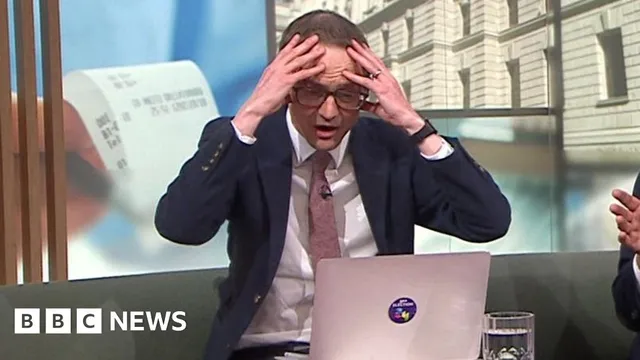
Office for Budget Responsibility chief faces resignation after Budget leak
Office for Budget Responsibility chief faces resignation after Budget leak
- The OBR mistakenly published critical details about the Budget prior to the Chancellor's announcement.
- An investigation into the leak is underway, with Richard Hughes expressing willingness to resign if necessary.
- This incident raises important questions about the processes and protocols within the OBR.
Story
In the United Kingdom, a significant incident occurred on November 26, 2025, when the Office for Budget Responsibility (OBR) accidentally released details of the upcoming Budget approximately 40 minutes prior to its official announcement by Chancellor Rachel Reeves. The OBR attributed the leak to a 'technical error' during which a link to the fiscal outlook document became accessible to the public instead of being kept under wraps until the Chancellor addressed MPs in the House of Commons. This disclosure raised concerns regarding market-sensitive information that should have remained confidential until the scheduled speech. An apology was issued by Richard Hughes, the chair of the OBR, who expressed that he was 'mortified' by the situation and emphasized the need for an investigation into how the document was inadvertently published. The leak not only disrupted the Chancellor's presentation but also created a wave of volatility in the UK's bond market. Immediate reactions from political leaders included calls for inquiries into the breach, with some suggesting that the early disclosure could amount to a serious offense given its potential impact on the financial markets. In the aftermath, Rachel Reeves labeled the incident as 'deeply disappointing' but maintained her confidence in the OBR despite the error. Richard Hughes further committed to implementing measures to prevent such occurrences in the future, highlighting that he would resign if he lost the confidence of the Chancellor or the Treasury Committee following the investigation's outcomes. The incident proved troubling not only for the credibility of the OBR but also for the overall integrity of the budgetary process. This leak was not the first of its kind, echoing previous instances where Budget details inadvertently made headlines before official announcements. Historical context underscores the seriousness of premature disclosures, with past events leading to inquiries and even resignations. The current circumstances prompt a broader discussion about the systems in place within financial oversight bodies and the essential maintenance of confidentiality surrounding fiscal policies. As the investigation proceeds, it remains to be seen how the OBR will reinforce its protocols and restore trust amid these challenges.


