

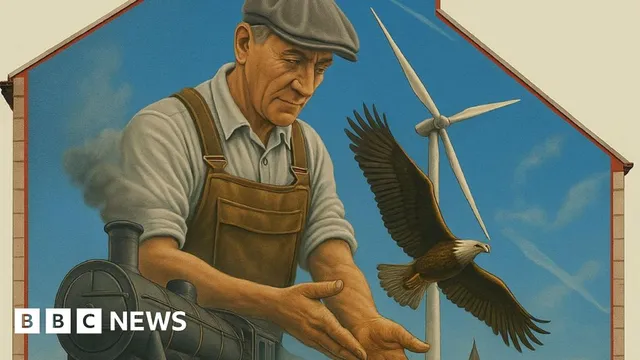
Glasgow mural sparks outrage over AI design controversy
Glasgow mural sparks outrage over AI design controversy
- A mural proposal in Glasgow faces backlash for an initial design featuring AI-generated elements.
- Critics argue that the design does not authentically represent Scottish culture, particularly due to the inclusion of a bald eagle.
- Paterson emphasizes that AI will not be involved in the final mural design as artists push for human creativity.
Story
In Glasgow, Scotland, the City Council recently approved a proposal for a mural on Elmbank Street, which has faced significant backlash due to its initially suggested design involving the use of artificial intelligence. Derek Paterson, the businessman behind the proposal, aimed for the mural to reflect Scotland's heritage and timeline, but the design included a bald eagle, an animal not found in Scotland. This choice, alongside critical comments regarding the artistic direction, raised eyebrows online and led to public criticism from artists and residents alike. Many pointed out that the eagle and other elements like Highland cows and steam trains made the design seem disconnected from actual Scottish culture. The controversy surrounding the mural highlights growing concerns within the artistic community regarding artificial intelligence's growing presence in creative fields. Artists, such as Ashley Rawson, have emphasized the importance of human involvement in any art design. Rawson has expressed that the unique perspective of an artist is crucial for creating meaningful artwork that resonates with cultural significance. He warned that relying on AI could lead to a 'meaningless, dehumanised, cost-saving route,' which many artists are now arguing against. Despite the criticism, Paterson asserted that the initial design was merely a mock-up intended to convey a broader theme for the mural, and that he had given complete creative freedom to the artist, Rogue One, whose real name is Bobby McNamara. McNamara clarified that he had not been involved in the early design stage but was approached about the mural last year. He agreed that the drawing produced via AI was not representative of what he envisioned and reiterated that he would ultimately produce a fully fleshed-out design that aligned with the local culture. As discussions surrounding AI in art continue to evolve, so too does the anxiety among artists who fear losing their livelihood to technology. Some, like Michael Forbes, have visually protested the use of AI by altering their artwork. The situation with Edinburgh's mural exemplifies a larger cultural debate on how technology should intersect with creative expression and whether it devalues human artistry. As such concerns are raised, the mural process will be closely observed, as many hope that the final product will offer a true reflection of community identity without the overreach of AI technology.


