

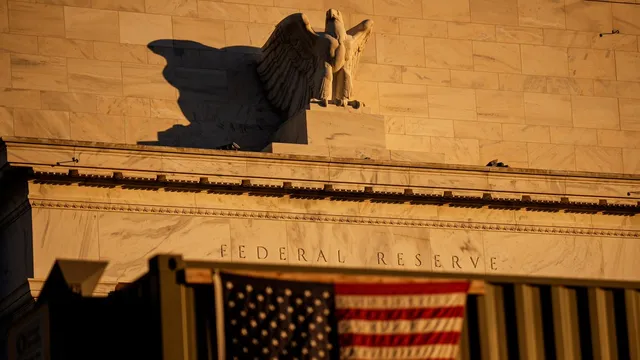
Federal Reserve grapples with inflation pressures from Iran conflict
Federal Reserve grapples with inflation pressures from Iran conflict
- Inflation pressures have surged due to the ongoing U.S.-Israel-led conflict with Iran, impacting energy and fertilizer prices.
- Federal Reserve officials indicated that rate hikes may be considered if inflation levels persist above the target.
- The combination of rising costs and strained supply chains could lead to significant future increases in grocery prices for American consumers.
Story
The conflict involving Iran, which escalated after air strikes by the U.S. and Israel, has led to significant economic disruptions both domestically and globally. In April 2026, the Federal Reserve conducted a policy meeting where a majority of policymakers expressed the need for potential rate hikes if inflation continued above the bank's 2% target. Rising energy costs associated with the war have created heightened inflationary pressures affecting various sectors. While oil prices surged over 50% due to the conflict, food prices are also expected to rise as a direct consequence of increased fertilizer costs heavily influenced by the war. During the policy meeting, tensions among officials became apparent as the long-standing bias towards easing rates dwindled. Many participants indicated that language suggesting further rate cuts should be removed from official statements. This shift in sentiment marks the most divided policy session in years, reflecting growing concerns regarding persistent inflation. Regional and global factors, including the disruptions in supply chains linked to the war, have heightened fears about the sustainability of current economic conditions. Farmers in the U.S. are already feeling the impact of rising fertilizer and fuel costs, which have climbed as much as 46% since the onset of the war. The ongoing instability in the Strait of Hormuz, a critical trade route for the global fertilizer market, poses additional risks to food prices, which are projected to see significant increases as the planting season progresses. Experts forecast that as these price pressures accumulate, Americans may soon face harder financial choices at grocery stores. The broader economic implications of the U.S.-Israel-led conflict extend beyond immediate fuel price spikes; they threaten to adversely affect food affordability for lower-income households. Projections regarding food price inflation suggest a potential increase nearing 11% year-over-year by the end of 2026. As the situation remains uncertain without signs of resolution, both policymakers and the agricultural sector brace for mounting challenges that are likely to compound the difficulties already faced by American families.


