

State officials warn of measles crisis during spring break travel
State officials warn of measles crisis during spring break travel
- Health officials across 30 states are reporting rising measles cases amid spring break travel.
- Florida is particularly concerned with over 98 confirmed cases, heightening the risk of a broader outbreak.
- Vaccination is emphasized as the key protection against measles during this travel season.
Story
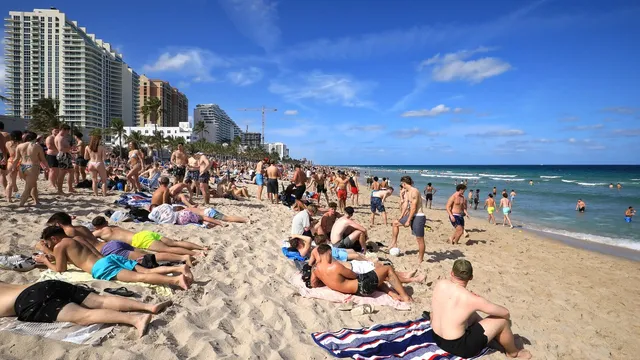
In 2026, the rising incidence of measles cases has alarmed health officials across the United States, especially during the spring break travel period. A significant concern is the potential surge in measles infections due to crowded tourist hotspots and airports, which could facilitate the virus's spread among unvaccinated individuals. This apprehension is echoed by officials in several states, including California, Florida, Georgia, and Utah, as they observe increasing reports of the disease, which poses a serious threat to public health due to declining vaccination rates. In Florida, the situation is particularly dire, with confirmed and suspected cases exceeding 98 by early March. Health professionals warn that the state's reputation as a prime spring break destination could exacerbate the ongoing outbreak that links back to unvaccinated travelers and community transmission. Dr. Rana Alissa, the president of the Florida chapter of the American Academy of Pediatrics, has advised unvaccinated infants and children to avoid crowded places, highlighting the risks posed during peak travel seasons. In contrast, officials from the Florida Department of Health have refrained from commenting on the issue, leaving many questions unanswered regarding outbreak management and quarantine measures. Other states are also on high alert. Utah, which has been battling an outbreak since the previous year with 443 report cases, is particularly vulnerable as travel increases. State epidemiologist Dr. Leisha Nolen noted the spreading virus now affects every region of the state, not just southern areas. Similarly, Georgia has reported two cases and similar concerns have arisen in South Carolina, where health officials worry the spring break could reignite an outbreak that already sickened close to 1,000 individuals since the prior fall, which came after gatherings during holiday breaks facilitated the disease's transmission. Health officials assert that vaccination remains the most effective shield against measles, especially for those traveling to or from locales with ongoing outbreaks. While international travel can introduce the virus, most cases reported this year have emerged from domestic outbreaks tied to communities with lower vaccination rates. The Centers for Disease Control and Prevention (CDC) is actively supporting states in addressing these outbreaks, with health departments working diligently to manage the spread of the disease as spring break unfolds.
Context
The Centers for Disease Control and Prevention (CDC) provides comprehensive vaccination recommendations for measles, a highly contagious viral disease that can lead to severe complications. Vaccination is crucial in preventing measles outbreaks, as the disease spreads through respiratory droplets from coughs and sneezes of infected individuals. The CDC recommends the Measles, Mumps, and Rubella (MMR) vaccine, which is both safe and effective. The MMR vaccine is typically administered in two doses; the first dose is given to children between 12 and 15 months of age, followed by a second dose between 4 and 6 years of age. This two-dose schedule is critical for long-lasting immunity and is designed to protect children before they enter school environments where the risk of outbreaks increases significantly. In addition to the routine childhood vaccination schedule, the CDC recommends the MMR vaccine for specific populations. Adults born in 1957 or later who have not been vaccinated or do not have evidence of immunity should receive at least one dose of the vaccine. Those traveling internationally or in close contact with individuals who are at high risk for measles, such as healthcare professionals or immunocompromised individuals, are also strongly advised to ensure their vaccination is up to date. Importantly, pregnant women should not receive the MMR vaccine during pregnancy but should be vaccinated postpartum to protect their future children. Immunization programs and public health initiatives play a pivotal role in maintaining high vaccination coverage rates, which are critical for community immunity, or herd immunity. The goal is to achieve a vaccination coverage rate of 95% or higher within communities to provide adequate protection against outbreaks. In recent years, various efforts have been implemented to address vaccine hesitancy and misinformation that can deter individuals from vaccinating their children. Educational campaigns that inform the public about the benefits and safety of vaccines have become more prominent, emphasizing that the risks of contracting measles far outweigh the minimal risks associated with vaccination. Ongoing surveillance of measles cases and vaccination status is essential in identifying and responding to outbreaks swiftly. Health departments collaborate with healthcare providers to increase awareness and ensure proper vaccination among all age groups. In summary, the CDC maintains that vaccination against measles is a vital public health intervention that not only protects individuals but also contributes to the overall health of the community. Therefore, it is imperative to stay informed about recommendations and adhere strictly to the vaccination schedule.


