
Ten silver miners found dead in mass grave in Mexico
- Ten miners were kidnapped on January 23 from a mining project in Sinaloa, Mexico.
- The local attorney general confirmed the discovery of the bodies in a mass grave, with five victims identified.
- This incident illustrates the escalating cartel violence in the region and raises concerns over safety for mining operations.
Story
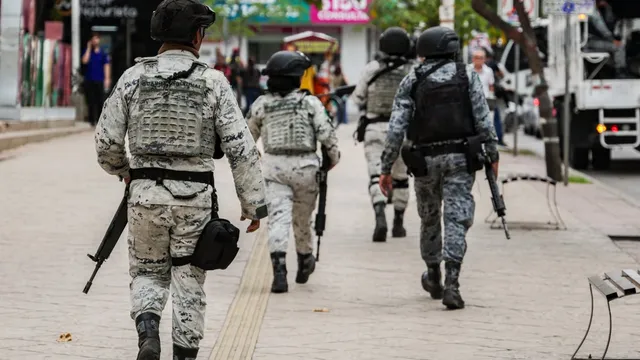
In Mexico, ten silver miners working for a Canadian company were discovered dead in a mass grave. They were kidnapped on January 23 from a mining project in Concordia, located in the western state of Sinaloa, a region heavily influenced by cartel activity. The local attorney general's office confirmed the identity of five of the victims, with families of the deceased receiving news of the tragedy, including a wife expressing profound grief. Mexican authorities have increased police presence in the area to combat cartel violence, indicating a response to the worsening safety conditions in the region. The mining company involved, Vizsla Silver Corp., based in Vancouver, expressed sorrow over the loss of their employees and pledged support for the affected families. The context of the kidnapping suggests that cartels may deliberately target foreign operations due to economic and political motivations tied to the rich mineral and logging resources of the area. Analysts emphasize that the miners could have been collateral victims of a broader strategy by cartels to display power and establish dominance in their territories. The incident has raised alarms within Mexican industry groups, which noted that attacks on mining operations are not uncommon and reflect deteriorating safety in the country. The Mexican government, led by President Claudia Sheinbaum, is actively investigating the situation, seeking to understand the motives behind the kidnappings and promote safety for those working in mining. This tragic event underscores the urgent need for improved security measures and highlights the intersection between foreign business operations and local cartel dynamics throughout Mexico, as communities continue to be overwhelmed by violence and fear. The broader implications of such incidents extend beyond immediate grief, as they could have lasting effects on foreign investments in the region and the stability of local economies connected to the mining industry.
Context
The impact of cartel activity on foreign investments in mining is a pressing concern that intertwines economic stability, regulatory practices, and community welfare. Cartels typically engage in anti-competitive practices that can distort market conditions. For foreign investors, the presence of such organizations introduces a significant level of risk and uncertainty; thus, shaping investment decisions in the mining sector. High-profile cases where cartels have manipulated prices, fixed supply, or coerced local communities into compliance reveal how cartel activities can create an environment of distrust. Consequently, foreign investors might be deterred from entering markets perceived as unstable or corrupt, adversely affecting the flow of capital needed for exploration and development of mining resources. Moreover, the socioeconomic ramifications of cartel activities extend beyond the immediate economic implications. Local communities often suffer from the dual impact of cartel violence and the withdrawal of foreign investments, which are crucial for job creation and economic development. When foreign investors withdraw or fail to engage due to fears of cartel dominance, it results in fewer employment opportunities, stunted local economies, and potential loss of community resources. This precarious cycle can perpetuate poverty and further entrench cartel influence as communities may turn to illegal economic activities as a means of survival. Additionally, inadequate regulatory frameworks can leave mining sectors vulnerable to cartel exploitation, highlighting the need for robust government intervention and law enforcement to protect both investors and communities. Another critical factor to consider is the response of governments to cartel activities, as it can significantly influence foreign investment levels. Countries with transparent legal systems and effective anti-corruption measures are more likely to attract foreign investments in their mining sectors. Conversely, when governments fail to take decisive action against cartels, it signals to potential investors that such markets are high-risk environments. Policy measures aimed at strengthening the rule of law, enhancing transparency, and promoting good governance can play a vital role in curbing cartel activities and restoring investor confidence. Thus, collaboration between governments, multilateral organizations, and the private sector is essential in crafting comprehensive strategies to combat these powerful entities. In conclusion, the interplay between cartel activities and foreign investments in the mining sector highlights a complex web of challenges facing investors, communities, and governments alike. The negative ramifications of cartel involvement include potential volatility in investment flows, disruption of local economies, and an increased burden on government resources. For sustainable development in the mining industry, it is imperative to foster an environment that minimizes the influence of cartels through robust legal frameworks and focused policy interventions. As global demand for mineral resources continues to grow, understanding the dynamics of cartel activity and its consequences will be crucial in ensuring that foreign investments can thrive in a stable, secure, and equitable mining sector.
