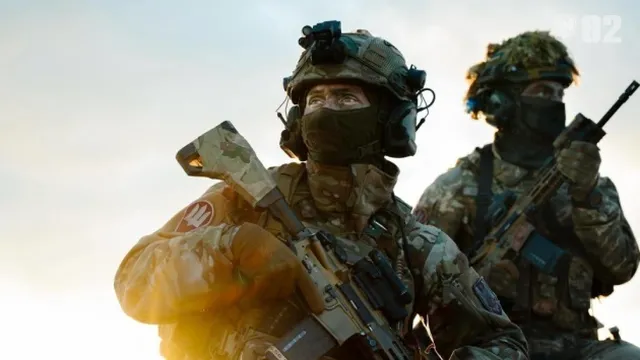
Ukrainian forces maintain control amid claims of enemy advancement
- Ukrainian Defense Forces maintain control over Pokrovka, Nykyforivka, Lypivka, and Platonivka despite claims of enemy advancements.
- Major Hryhorii Shapoval confirmed ongoing Ukrainian search-and-strike operations against small enemy groups.
- The situation is challenging but under control, according to the spokesperson, who urged reliance on official sources.
Story
In the context of ongoing conflict in Ukraine, recent statements from Major Hryhorii Shapoval, spokesperson for the Operation Task Force East, highlighted that several villages in the Donetsk and Sumy regions, including Pokrovka, Nykyforivka, Lypivka, and Platonivka, remain under Ukrainian control. Despite reports from Russian sources alleging that their forces had made advances in these areas, Shapoval emphasized that the Ukrainian Defense Forces were actively protecting the settlements. He clarified that while the enemy is operating in small groups, the Ukrainian troops are conducting search-and-strike operations, successfully targeting hostile forces. He also emphasized the importance of relying on official sources for accurate information, as there are frequent attempts to spread misinformation regarding the situation on the ground. The current atmosphere in these regions is described as challenging but manageable, illustrating the ongoing conflict's complexities, which include a series of combat engagements along the front line. In the past day alone, 130 combat encounters between Ukrainian and Russian troops were reported, underlining the intensity and volatility of the situation. Therefore, despite external claims and pressures, Ukrainian forces continue to establish defensive measures to secure control over important territories in their bid to uphold national sovereignty and safety amid the escalating conflict in Ukraine.

Context
The current situation in the Ukraine conflict as of February 2026 remains highly complex and fraught with evolving geopolitical dynamics. Following the escalation of military operations starting from early 2022, Ukraine has experienced significant territorial and human losses while also rallying international support against Russian aggression. The conflict has led to a protracted state of war marked by intermittent negotiation attempts and tit-for-tat military engagements. Key developments in the past year have included a renewed vigor from NATO allies in terms of military support and economic sanctions aimed at crippling the Russian economy, alongside significant internal pressures in both countries driven by humanitarian crises and economic hardships. As of February 2026, front-line territories remain contested, particularly in the eastern regions of Ukraine, where clashes continue to inflict casualties on both sides. Ukrainian forces appear to be adopting a more defensive posture, focusing on stabilizing their positions while engaging in limited counter-offensives to reclaim lost territories. Meanwhile, Russia has sought to fortify its gains and ramp up its military presence, leading to increased tensions. Civilians continue to bear the brunt of the conflict, leading to millions displaced both internally and across neighboring nations in Europe, prompting the rise of humanitarian relief efforts across various international agencies and NGOs. International diplomatic efforts have not yielded a lasting resolution as peace talks have stagnated, often collapsing over disagreements on key issues such as territorial integrity and political sovereignty. However, dialogue remains crucial, with ongoing discussions facilitated by international mediators whom hope to lay the groundwork for a ceasefire framework and eventual political solution. Sanctions against Russia have been tightened, but the impact on the overall conflict dynamics remains to be fully realized, especially considering internal dissent within Russia regarding the protracted conflict and its ramifications abroad. As the situation develops, potential pathways toward resolution hinge on multifaceted strategies that incorporate diplomatic engagement alongside military and economic considerations. The role of the global community will be essential in shaping the future trajectory of not just the conflict itself but also broader regional stability. Ensuring support for Ukraine while holding Russia accountable will remain critical in navigating the complexities that lie ahead, as the humanitarian needs only escalate and the geopolitical balance in Eastern Europe hangs in the balance.