

military conflicts
controversial
impactful
Nato faces peril as military preparedness falters
Feb 19, 2026, 3:16 PM10
(Update: Feb 19, 2026, 3:16 PM)
military conflicts
controversial
impactful
Nato faces peril as military preparedness falters
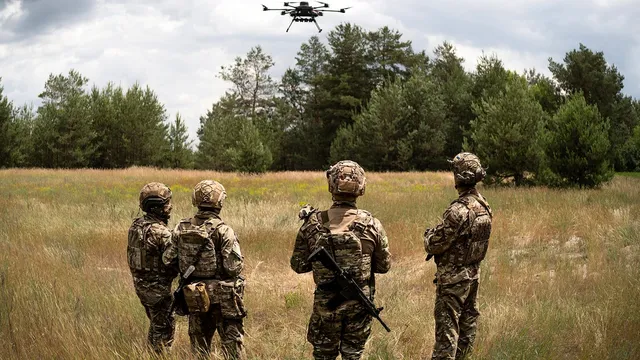
- Concerns about NATO's preparedness have escalated amid recent military exercises demonstrating new warfare strategies.
- Ukraine's effective use of advanced technology in combat highlights a gap in NATO's military capabilities.
- Experts warn that without significant changes, NATO's readiness to counter emerging threats is severely compromised.
Insights
News 1 1
Related reports
Opinions
Story
“
impact analysis policy trends shift trends trends insight policy economic strategic impact insight data shift market data strategic analysis policy geopolitical impact data insight global market analysis trends global economic market trends insight analysis market analysis economic market analysis geopolitical impact data policy insight market impact analysis trends shift trends analysis trends policy insight geopolitical shift strategic shift data trends trends strategic market geopolitical analysis analysis strategic trends data data trends policy economic insight insight geopolitical analysis insight trends analysis...
2026 All rights reserved



2026 All rights reserved