

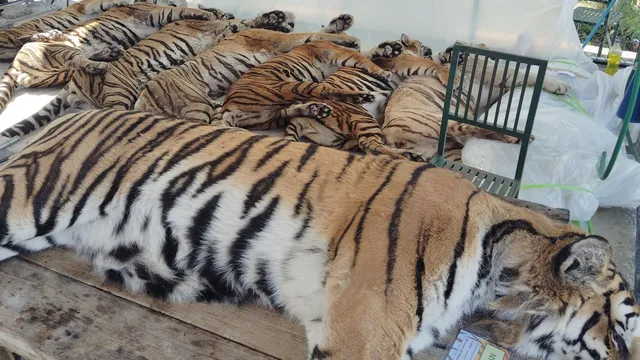
Seventy-two tigers die from virus outbreak in Thai animal park
Seventy-two tigers die from virus outbreak in Thai animal park
- Seventy-two tigers died within two weeks at Tiger Kingdom facilities in Chiang Mai, Thailand, from a contagious virus and bacterial infections.
- Authorities identified canine distemper virus as the primary cause and began extensive investigations into the outbreak's source.
- Animal welfare organizations stress the importance of reducing interaction with captive wildlife to prevent such tragedies.
Story
In Thailand, a tragic outbreak has led to the deaths of seventy-two tigers in a private animal park called Tiger Kingdom, located in the Chiang Mai province. The outbreak occurred between February 8 and February 19, 2026, resulting in the rapid demise of these big cats across two facilities in Mae Rim and Mae Taeng districts. The primary culprits identified were the canine distemper virus (CDV) and accompanying bacterial infections that contributed to severe pneumonia and other complications among the tigers. Despite the alarming nature of the outbreak, health officials noted that the disease is not zoonotic, meaning it does not pose a risk to humans. Authorities launched an investigation into how the virus infiltrated the facilities, which house over 240 tigers. Preliminary tests confirmed the presence of CDV, a highly contagious virus typically found in dogs, which can also affect big cats. Additionally, some samples indicated bacterial infections that specifically target the respiratory system. Officials are concerned about the combination of these pathogens and the potential implications for both animal welfare and public health. Within a short span, twenty-one tigers succumbed to illness at the Mae Rim site, while fifty-one died at the Mae Taeng site. Despite precautions, including monitoring of staff and extended disinfection measures across the facilities, officials warned about the risks posed by captive wildlife settings. The conditions at Tiger Kingdom have drawn criticism from animal welfare organizations, who argue that the inherent vulnerabilities of captive wildlife facilities heighten the danger of disease outbreaks. The ineffective monitoring of sick animals and the potential impact of inbreeding on immune system strength have been highlighted as contributing factors to the crisis. Inbreeding likelihood may hinder the immune response in captive animals, reducing their defense against infections such as CDV. As authorities investigate, measures have been implemented to prevent further spread, including isolating affected animals and preparing vaccinations for the remaining tigers. Animal rights advocates have lamented the circumstances under which these tigers lived and died, depicting a narrative of confinement and distress. Such tragedies underscore the larger conversation surrounding the ethics of using animals for entertainment and the dire consequences that can arise from commercial wildlife tourism. Authorities have urged the public and tourists to reconsider interactions with captive wildlife, suggesting that visitor demand plays a crucial role in the sustenance of such facilities, which may ultimately lead to avoidable tragedies-like the recent deaths of these tigers.
Context
Animal welfare is a significant and multifaceted issue in Thailand, necessitating an examination of the conditions under which various species live, the laws that govern their treatment, and the societal attitudes towards animal welfare. Thailand is home to a diverse range of flora and fauna, and while some aspects of animal care are commendable, there are persistent issues related to the treatment of domestic and wild animals. Factors such as economic development, cultural practices, and tourism greatly influence the welfare conditions of animals in the country. Notably, inadequate enforcement of existing animal welfare laws often contributes to neglect and abuse, placing pressure on animal advocacy groups and shelters that strive to improve conditions for affected animals. Legislation concerning animal welfare in Thailand is primarily governed by the Animal Welfare Act, which was enacted to protect the rights and well-being of animals. Despite the foundation this law provides, enforcement remains a challenge. Many local authorities lack the resources or will to implement these regulations effectively. Additionally, broader societal norms can complicate the recognition of animal rights, as certain practices, such as the treatment of animals for food or traditional medicine, may not align with modern welfare perspectives. This dissonance often leads to ethical dilemmas, posing a difficulty for both authorities and advocates striving to promote humane treatment across all sectors of society. In relation to the tourism sector, which plays a vital role in the Thai economy, concerns surrounding animal welfare have gained international attention. The use of animals in entertainment, such as elephant rides and street performances, has come under scrutiny. Tours that exploit wildlife can contribute to significant stress and suffering for animals. In response, a growing number of organizations are working to promote ethical tourism practices and educate travelers about the importance of supporting animal-friendly experiences. As visitors become more aware of these issues, there is potential for positive change, encouraging businesses to adopt more humane practices in their operations. Public awareness and education initiatives are crucial for fostering a culture of compassion towards animals in Thailand. Community-based programs that promote responsible pet ownership and animal care are increasingly important, aiming to address issues such as stray populations and neglect. As the public's understanding of animal welfare continues to evolve, it is imperative that policymakers, organizations, and communities come together to advocate for comprehensive strategies that protect animals. By prioritizing the enhancement of animal welfare conditions through improved legislation, advocacy, and education, Thailand can work towards a more humane future for all its animals.


