

business
impactful
informative
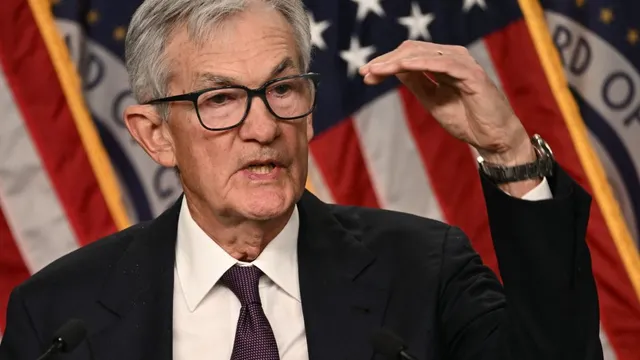
Data centers drive up inflation as AI demand grows, says Jerome Powell
Mar 19, 2026, 1:00 AM10
(Update: Mar 19, 2026, 1:00 AM)
business
impactful
informative
Data centers drive up inflation as AI demand grows, says Jerome Powell
- Jerome Powell noted that expanding data centers are affecting costs and pressuring inflation.
- Electricity prices are projected to increase, impacting consumers, especially lower-income households.
- The Federal Reserve remains uncertain about the balance between supply and demand regarding AI's economic effects.
Insights
News 1 1
Related reports
Opinions
Story
“
geopolitical analysis geopolitical economic market strategic trends market strategic market shift policy economic strategic trends shift analysis data economic market global geopolitical global data analysis impact market policy shift economic strategic market geopolitical market policy analysis market market analysis strategic trends market economic strategic geopolitical geopolitical economic analysis economic analysis strategic economic strategic policy impact analysis insight economic geopolitical impact trends impact analysis market analysis impact impact strategic shift shift analysis strategic analysis policy analysis market policy insight shift trends...
2026 All rights reserved



2026 All rights reserved