

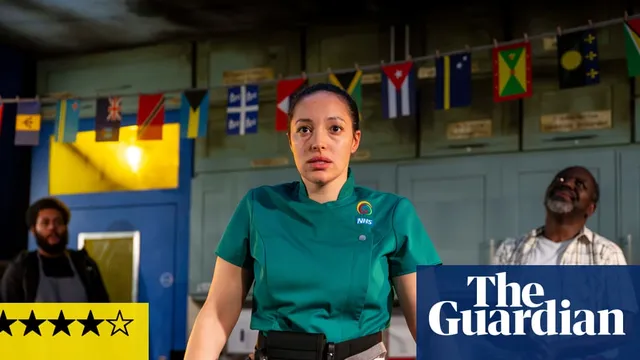
Cooking class unravels tensions in men's psychiatric unit
Cooking class unravels tensions in men's psychiatric unit
- Sophia Griffin's play is set in a secure hospital psychiatric unit and follows a Caribbean cooking class designed to engage the men in therapy.
- The characters are depicted as they navigate their emotional struggles and complex relationships while facing the challenges of the psychiatric system.
- The play highlights the systemic flaws in mental health care and leaves audiences contemplating the unresolved nature of the men's journeys.
Story
In Birmingham, England, Sophia Griffin's debut play is set in a secure psychiatric unit where occupational therapist Naomi conducts weekly Caribbean cooking classes for the men residing there. Her intention is to use the meditative effects of food as a therapeutic tool, encouraging the men to engage with their memories and create a space for meaningful dialogue. However, the dynamics of the group quickly reveal underlying tensions, as the men, including Ty, Leroy, and Daniel, navigate their complex emotional landscapes within the confines of the hospital. Ty, the youngest member eager for freedom, is frustrated by his current situation and longs to return to prison. Meanwhile, Leroy, who has spent an extensive amount of time on the ward, grapples with the duality of craving freedom while fearing the uncertainties that come with it. Daniel, the newest arrival, expresses a desire to resolve his issues quickly and reconnect with his family. Each character is introduced without immediate reference to their past offenses, allowing the audience to connect with them on a deeper emotional level before the narrative reveals the gravity of their histories. Throughout the cooking sessions, conversations around everyday cooking take on a greater significance, revealing the characters' past traumas and relationships. Despite the light-hearted nature of cooking, the environment is charged with unease, underscoring the complexity of their circumstances as they strive to communicate while existing under constant scrutiny from the psychiatric system. Griffin strategically avoids detailed backstories, opting to focus on the impact of their past actions and the limitations imposed by their mental health struggles. The portrayal of Naomi is equally complex; while she comes across as a supportive figure, her battles with higher authorities within the psychiatric system highlight the pressures she faces in her role. The final scenes of the play leave the audience contemplating the unresolved tensions and the reality of life within such a restrictive environment. By placing cooking as a metaphor for both care and containment, Griffin reveals the challenges of rehabilitation within institutional settings, prompting reflection on systemic flaws in mental health care.


