

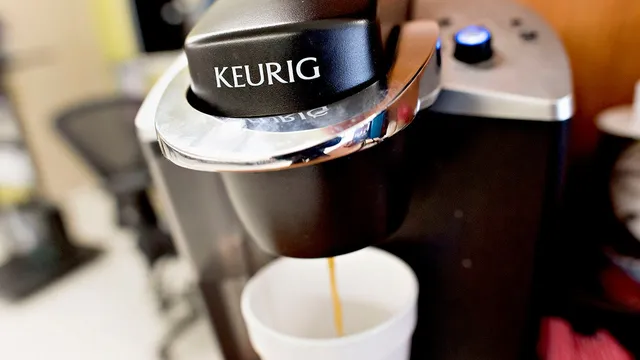
Keurig coffee pod recall sparks health concerns over caffeine content
Keurig coffee pod recall sparks health concerns over caffeine content
- Over 80,000 Keurig coffee pods were recalled due to incorrect labeling indicating decaf but potentially containing caffeine.
- The recall was categorized as a Class II health risk by the FDA, indicating possible temporary adverse health effects.
- Consumers are advised to discard the recalled product or return it for a refund, highlighting the need for accurate product labeling.
Story
In December 2023, Keurig Dr Pepper voluntarily recalled more than 80,000 K-Cup Pods labeled as decaffeinated due to incorrect caffeine labeling. The U.S. Food and Drug Administration inspected the recall and upgraded it to a Class II risk classification. This designation indicates that consuming such mislabeled products could result in temporary health consequences for individuals sensitive to caffeine accustomed to avoiding it, such as those with certain medical conditions or pregnant women. The specific coffee pods affected were McCafé Premium Roast Decaf Coffee K-Cup Pods, sold in cartons of 84, distributed in California, Indiana, and Nevada. Consumers were encouraged to dispose of or return the recalled products for a refund. The FDA classifies recalls based on the potential health risks involved, with Class I being the most severe and Class III being the least concerning. There has been no confirmation of any adverse health consequences reported by customers or complaints stemming from the recall. In light of the recall, it is crucial for consumers who monitor their caffeine intake to remain aware of potential side effects from inadvertently consuming caffeine. It was noted that the safe daily caffeine intake for most adults is approximately 400 milligrams, equivalent to about two to three 12-ounce cups of coffee. This incident highlights not only the importance of accurate labeling but also the responsibility manufacturers have to ensure consumer safety, particularly for products targeted at individuals who may have sensitivities towards certain ingredients. The FDA's heightened alert on this situation serves as a reminder for brands to implement stringent quality controls and maintain transparent communication with consumers. The recall follows a previous incident involving Gimme Coffee, Inc., which also recalled coffee pods for similar labeling errors, showcasing a pattern that independently merits closer examination of industry practices regarding decaffeinated products. The recalls prompt questions about consumer trust and the accountability of companies in maintaining accurate profiles on their products to safeguard public health. Overall, such incidents could lead to an increased scrutiny on food labeling standards and the need for institutions such as the FDA to enforce compliance, ensuring that consumers can make informed choices free from misleading information that might jeopardize their health interests.


