

Cuba's power grid faces third collapse in March amid severe crises
Cuba's power grid faces third collapse in March amid severe crises
- Cuba's power grid collapsed on March 21, 2026, affecting over 10 million residents.
- The collapse is attributed to an ongoing U.S. oil blockade and aging energy infrastructure.
- Emergency power restoration measures are being implemented, but the crisis reflects deeper societal issues.
Story
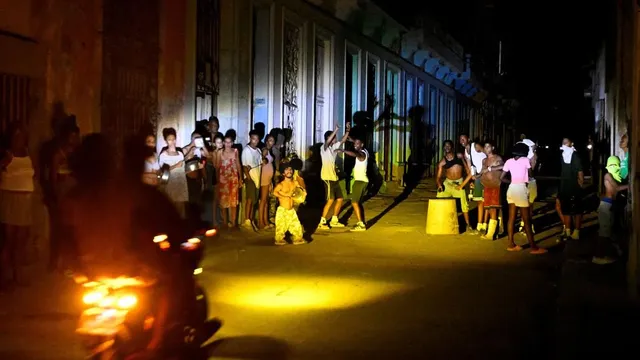
Cuba is currently grappling with a devastating energy crisis that has seen its power grid fail for the third time in March 2026. The latest collapse, which occurred on March 21, left over 10 million people without electricity. The failures in the power supply come amidst a backdrop of an ongoing U.S. oil blockade, which greatly impacts Cuba's already aging energy infrastructure. The nation's energy and mines ministry has begun implementing emergency measures to restore power, focusing on key facilities such as hospitals and water services to mitigate the disruption to citizens' lives. The repeated blackouts highlight the severe limitations of Cuba's energy resources, exacerbated by external pressures and mismanagement. The infrastructure has suffered decades of neglect and obsolescence, largely attributed to the economic challenges heightened by the trade embargo imposed by the United States. Moreover, Cuba has been experiencing chronic fuel shortages for about three months, leading officials to declare a state of emergency in response to the frequent outages. Many residents have reported extensive damages to their appliances due to unstable electricity supply, affecting both livelihoods and daily routines. In an effort to combat the situation, authorities have initiated a project establishing microsystems that deliver electricity to essential services across various provinces, but progress is slow. Despite these efforts, the social, economic, and political conditions in Cuba lead to public frustration. Citizens express their discomfort as the energy crisis intertwines with broader issues of governance, economic instability, and social unrest. The blackouts not only affect practical concerns of cooking and work hours but also contribute to larger societal grief, as illustrated by protests against the ruling government and commentary from residents on the dire state of their living conditions. The overall situation is compounded by geopolitical factors, particularly the relationship between Cuba and the United States. The oil blockade and the cessation of support from Venezuela, Cuba's former ally and oil supplier, have not only crippled the energy sector but also destabilized the entire economy. Many are beginning to view the current crisis as reflective of a larger systemic failure, as the government struggles to provide its citizens with basic necessities while facing international political pressure. As Cuba faces this unprecedented energy crisis, the ramifications on its people are palpable, raising questions about both immediate relief and long-term solutions to ensure a stable future.
Context
The impact of fuel shortages on Cuba's economy is a multifaceted issue that has unfolded over several years, leading to significant repercussions across various sectors. Fuel is a critical resource for the functioning of Cuba's economy, heavily relied upon for transportation, agriculture, and energy production. As the global demand for oil fluctuated and external sources of supply diminished, Cuba faced increasing difficulties in maintaining a steady supply of fuel. This shortage is primarily attributed to geopolitical tensions, the ongoing U.S. embargo, and the decline in the availability of resources from traditional partners such as Venezuela. As a result, the economy has suffered greatly, leading to a reduction in productivity and increased costs across numerous sectors, hampering economic growth and development efforts. The agricultural sector, which is essential for food security in Cuba, has been severely affected by fuel shortages. Equipment used for planting, harvesting, and distribution of agricultural products relies on diesel and gasoline. The unavailability of fuel has hindered farmers' ability to operate machinery efficiently, resulting in lower crop yields and delays in transporting goods to markets. Additionally, the scarcity of fuel has also led to reduced availability of fertilizers and other agricultural inputs, further exacerbating food shortages and increasing dependency on food imports. This has created a cycle of economic strain as the nation is unable to become self-sufficient in meeting its food production needs. Transportation has also been adversely impacted, as public and private transport systems rely heavily on fuel. Shortages have led to reduced bus services and long wait times for fuel, making it difficult for citizens to commute to work, access services, or travel for leisure. As transportation costs have escalated, so too have the prices for goods and services. This has led to an increase in the cost of living, prompting a decrease in overall consumer spending. The Cuban government has attempted to mitigate some of these effects through price controls and rationing systems, but these measures often lead to further inefficiencies and black-market activities, thus undermining official economic data and the government's planning processes. Furthermore, the fuel crisis has exacerbated existing inequalities within Cuban society. Those with means can often access resources through alternative channels or the black market, leaving low-income families and vulnerable communities without adequate support during these shortages. These disparities can lead to social unrest as segments of the population become increasingly frustrated with the status quo. In conclusion, the fuel shortages in Cuba have not only stifled economic productivity but have also revealed deeper issues of inequality and inefficiency within the system. Urgent and comprehensive strategies are required to address the underlying issues, promote sustainable energy alternatives, and improve the efficiency of resource allocation to revitalize Cuba's economy.


