

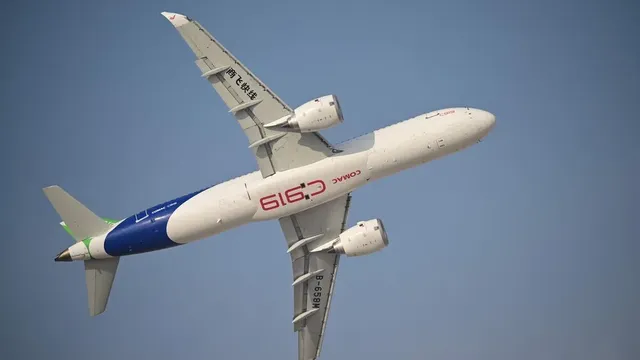
China strives for self-sufficiency in commercial aviation with CJ-1000A engine
China strives for self-sufficiency in commercial aviation with CJ-1000A engine
- Comac’s C919 passenger planes production was disrupted due to reliance on Western-engine parts, leading to only a fraction of planned deliveries.
- The CJ-1000A engine is close to achieving airworthiness certification, although widespread commercial use is not expected until 2027 or 2028.
- China's quest for a self-developed engine is expected to reshape its commercial aviation landscape, dependent on overcoming significant technical barriers.
Story
In March 2025, the state-backed aircraft manufacturer Comac revealed ambitious plans to ramp up production of its C919 passenger planes, striving for up to 75 aircraft deliveries by the year's end. However, production faced significant challenges due to an unstable flow of aircraft parts, especially engines, which experienced a two-month export ban earlier in the year. This shortage highlighted China's ongoing vulnerability in the commercial aviation sector, particularly its over-reliance on Western-made aircraft engines. As a response to such challenges and prior incidents of Western export controls that threatened its aviation ambitions, Beijing's resolve to produce an indigenous commercial jet engine has intensified. The CJ-1000A engine, developed by the Aero Engine Corporation of China (AECC), is reportedly nearing the completion of its airworthiness certification following more than two years of test flights. Acknowledging the inherent challenges, experts suggest that although the progress appears positive, the engine is not expected to be integrated with Chinese aircraft until the years 2027 or 2028. Mr. Mayur Patel, an aviation consultant, emphasizes that the domestic certification and initial deliveries of the CJ-1000A are contingent on overcoming numerous technical hurdles, particularly those related to advanced materials necessary for commercial jet engine function. Historically, the development of advanced commercial aircraft engines poses significant barriers due to the complexity of technology involved. This commercial engine development process has faced severe scrutiny from analysts, drawing comparisons to the Soviet Union's failed attempts at similar initiatives. Professional aviation analysts state that manufacturing turbine blades capable of withstanding extreme temperatures and high forces is critical for achieving reliability and performance standards expected in commercial aviation. The aviation sector is keenly watching the evolution of the CJ-1000A. It is seen as more than just a backup option in the event of further Western restrictions on engine exports. Success in creating a reliable, efficient, and safe engine for commercial aircraft could change the landscape of China’s aviation industry and its global standing in aerospace engineering. Conversely, failure to develop a commercially viable engine may reflect poorly on efforts aimed at achieving aviation self-sufficiency, reminding stakeholders of the technical complexities that accompany the high-stakes world of aerospace manufacturing.


