

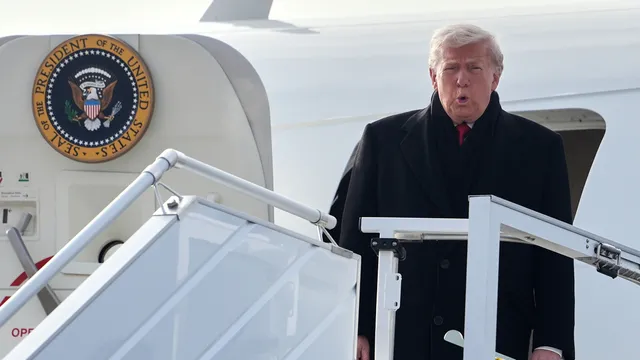
Denmark lawmaker predicts NATO's collapse during Trump administration
Denmark lawmaker predicts NATO's collapse during Trump administration
- Rasmus Jarlov expressed doubt about NATO's future during Trump's administration.
- European nations may reevaluate their security from reliance on NATO.
- Growing tensions and shifts in alliance dynamics may lead to reduced trust in NATO.
Story
In recent discussions surrounding the future of NATO, Rasmus Jarlov, a prominent member of the Copenhagen parliament and chair of the defense committee for an opposition conservative party, expressed significant concerns about the alliance's viability amid the current U.S. administration. He articulated that while NATO as an institution might continue to exist in name, the practical reliance of European nations on the alliance is likely to diminish under President Donald Trump. Jarlov's statements reflect growing unease among European leaders regarding the U.S.’s commitment to NATO, especially in light of Trump's administration’s Unconventional foreign policy choices and focus on acquiring Greenland. The U.S. has displayed intensified interest in Greenland, which is a semi-autonomous territory of Denmark. President Trump’s expressed views on wanting to control Greenland have heightened tensions not only with Denmark but also among other NATO allies. While Trump claimed there would be no military action taken to seize the territory, his comments framing Greenland as “part of North America” have raised eyebrows and led to fears about the stability of international relations. This assertive approach aligns with a broader narrative of the U.S. distancing itself from traditional NATO commitments. Chris Hayes on MS NOW echoed Jarlov’s sentiments, suggesting that the post-World War II global order, largely built on U.S. influence, may be crumbling. He accused Trump of acting in a manner reminiscent of Axis powers, destabilizing relationships between NATO countries. The ongoing war in Ukraine, combined with certain foreign policy decisions by the U.S., including pressure on NATO allies over Greenland, exemplifies this growing discord within the alliance. As these events unfold, European nations may start leaning more on internal relations and partnerships, notably with Canada, to ensure their security amidst uncertainties about NATO’s future. The sentiment that the U.S. might not come to Europe’s defense when needed is increasingly setting in, leading to a paradigm shift where nations may prioritize forming bilateral agreements over reliance on the transatlantic alliance.
Context
The impact of Trump's presidency on NATO has been multifaceted, affecting the alliance's cohesion, defense spending among member states, and its strategic direction. During his administration, President Trump frequently criticized NATO allies for not meeting the alliance's defense spending target of 2% of GDP, implying that some countries were not sufficiently contributing to their own defense or that of the alliance as a whole. Trump's rhetoric led to increased tensions within NATO, forcing a reconsideration of commitments and financial responsibilities, and sparked debates about the future of transatlantic relations. As a result, some member states started to increase their military budgets to meet the defense spending target, reflecting a greater urgency to comply with NATO norms amidst the pressure from the US administration. Furthermore, Trump's approach signaled a shift in US foreign policy from a traditional commitment to multilateralism toward a more transactional stance. His administration raised concerns among NATO allies regarding the reliability of the US as a partner, especially in times of crisis. The unpredictability of Trump's leadership style and his skepticism about international alliances gave rise to worries among member states about potential withdrawal or reduced engagement from the US, which could destabilize the alliance. Consequently, NATO faced challenges in maintaining unity and coherence in its strategic objectives, as member countries weighed their dependence on US military and diplomatic support. Despite these tensions, Trump’s presidency also led to some positive developments within NATO, particularly in enhancing defense readiness and reinforcing the alliance's eastern flank. The NATO Enhanced Forward Presence in the Baltic states and Poland, aimed at deterring potential aggression from Russia, gained traction during Trump's tenure. The US played a crucial role in these initiatives, benefiting from increased European security cooperation that emerged in response to perceived threats. However, this focus on strengthening NATO’s collective defense capabilities was often counterbalanced by the fraught debates on defense spending and America's long-term commitment to the transatlantic alliance. In summary, Trump's presidency initiated a complex reassessment of NATO's dynamics, characterized by increased defense spending among some member states, rising tensions over contributions, and a visible uncertainty regarding the future of US support. The long-term implications of this presidency on NATO will likely be felt for years to come, as member nations continue to navigate these challenges in an evolving global security landscape. Overall, while some areas of NATO cooperation were strengthened during Trump's time in office, the underlying tensions and shifting perceptions of US commitment have left an indelible mark on the alliance's future.


