

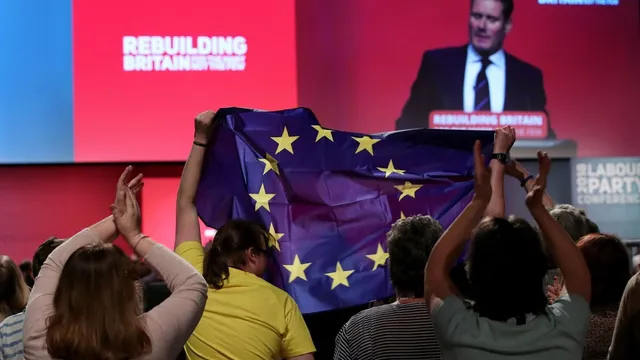
Public opinion shifts as Brexit failures dominate discussion
Public opinion shifts as Brexit failures dominate discussion
- Polling indicates a significant portion of the UK population views Brexit as unsuccessful.
- Labour is preparing to position itself as the pro-EU alternative in the upcoming elections.
- The upcoming elections could see Brexit central to party strategies, impacting political dynamics.
Story
In January 2026, the ongoing political discourse in the United Kingdom is increasingly dominated by sentiments surrounding Brexit, significantly influencing the Labour Party's strategy ahead of the next general election. The government aims to realign the UK's relationship with the European Union, which had deteriorated significantly over the past years since the Brexit referendum. Reports indicate that polling from YouGov suggests a majority of Britons now view Brexit as a failure, indicating an urgent need for political parties to address public sentiment proactively. As the UK grapples with economic struggles, approval ratings for the current government have plunged. Labour, under the leadership of Sir Keir Starmer, has identified Brexit as a pivotal issue to rally support. The party believes it can capitalize on public yearning for a revised relationship with the EU, particularly as polling reveals that 65 percent of voters are interested in closer ties with the bloc. Despite a significant portion of the electorate opposing rejoining the EU, the shifting public attitude suggests an opening for Labour to advocate for a reconsideration of ties while addressing the key failures of past Brexit promises. The current government, led by Conservative authorities, plans to differentiate its stance by attacking opponents like Nigel Farage of Reform UK, labeling him as an irrational leader prioritizing ideological views over the economic implications of Brexit. They aim to highlight the detrimental effects of Brexit on small businesses—a key demographic—by showcasing campaigns that bring to light how new trade barriers negatively affect sectors like horticulture. The potential success of the proposed SPS deal, which seeks to ease trade regulations with the EU, is seen as crucial for the government to build a robust counter-narrative against Labour’s progressive strategy. Analysts like Sir John Curtice warn that while Labour's knee-jerk reaction to shift towards pro-EU sentiments may resonate with many voters, it carries risks, as not all constituents may accept potential trade-offs associated with aligning more closely with EU regulations. The possibility of Labour re-engaging the Brexit debate invites scrutiny, especially given the nuanced and often polarized views surrounding the referendum and its aftermath. Ultimately, however, there is a consensus that Labour must formulate a clear, confident narrative on Brexit to harness this shifting public opinion effectively ahead of the upcoming elections, as they contend with rival parties like Reform UK that are poised to gain from ongoing discontent.


