

Iranian strikes on shipping drive oil prices to over $100 per barrel
Iranian strikes on shipping drive oil prices to over $100 per barrel
- Iran has significantly reduced its oil output, contributing to the highest oil prices since 2022.
- Ongoing military conflict and attacks on shipping in the Gulf have created fears of further price increases.
- The UK economy is facing inflationary pressures, prompting concerns of a potential cost-of-living crisis.
Story
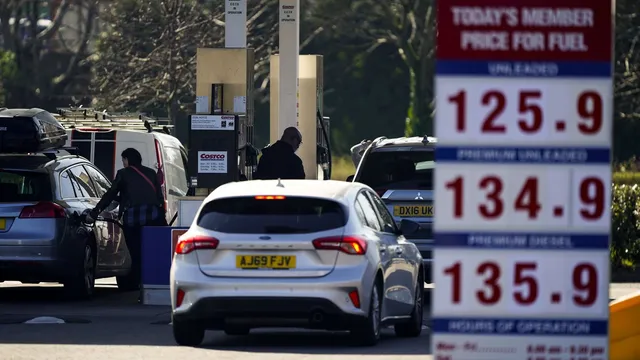
In recent developments affecting the global oil market, Iranian attacks on shipping and energy facilities have led to a significant surge in oil prices. This escalation occurred against the backdrop of heightened tensions in the Middle East, particularly after the U.S. and Israel launched military operations against Iran. Reports indicate that more than a dozen ships have faced attacks in the Persian Gulf and nearby regions since February 28, 2026, with the price of Brent crude exceeding $100 a barrel for the first time since 2022. The International Energy Agency's member countries have pledged to release emergency oil reserves, although this measure may not suffice to stabilize prices in response to the ongoing conflict. The military actions coincide with Iran’s drastic reduction in oil output, currently down to a quarter of previous levels post U.S. strikes, causing a sharp decline in global oil supply. This has resulted in significant inflationary pressure, particularly in the UK, where the rising cost of oil could exacerbate an already precarious cost-of-living crisis. Political analysts are warning that these developments could lead to further economic instability, particularly with Iran reportedly threatening to escalate attacks that could push oil prices even higher. As expectations grow regarding persistent inflation, the Bank of England is facing pressure to reconsider interest rates to manage any upward price movements stemming from the energy crisis. The interconnected nature of global oil supplies means that even marginal increases can have widespread repercussions on everything from consumer energy bills to overall economic growth. Market responses have already been visible, with notable drops in major stock indices following initial shocks from the Middle East conflict. The volatility in oil prices highlights the fragility of the energy market and the substantial risk posed by ongoing geopolitical tensions in the region. The situation remains fluid, with many stakeholders anticipating potential adjustments in policy as governments worldwide respond to the implications of high oil prices on their economies and citizens.
Context
data economic market trends insight policy impact insight analysis trends global shift impact policy geopolitical strategic strategic policy shift data insight economic economic economic shift policy shift strategic impact data analysis market analysis trends policy policy economic global policy impact data trends impact impact market trends trends insight shift trends policy analysis insight strategic strategic analysis shift insight analysis geopolitical policy shift global data insight strategic impact impact global data analysis trends economic data shift analysis economic global geopolitical global...


