

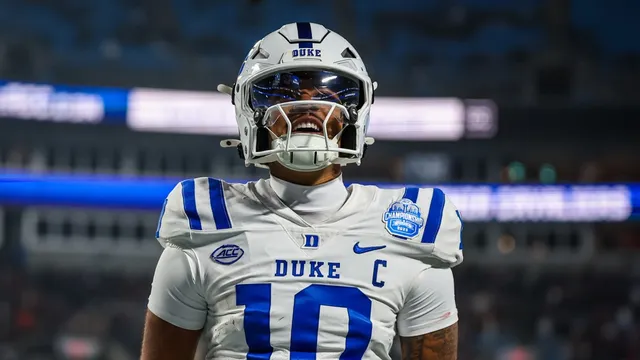
Duke settles dispute, enabling Darian Mensah's transfer
Duke settles dispute, enabling Darian Mensah's transfer
- Duke University filed a lawsuit against quarterback Darian Mensah to block his transfer to another school.
- Legal experts debated the implications of Mensah's status as a non-employee of Duke and how that affected his contract.
- The dispute was resolved, allowing Mensah to leave, reflecting the complexities of athlete contracts and recruitment in college sports.
Story
In January 2026, the college football landscape witnessed a pivotal case involving quarterback Darian Mensah and Duke University in the United States. Mensah, under a multimillion-dollar revenue-sharing contract with Duke running through 2026, sought to transfer to another school, namely Miami, amidst ongoing legal disputes. He was facing potential restrictions on his enrollment and ability to play while the case was under legal scrutiny, with implications for his athletic future hanging in the balance. As the transfer portal deadline approached, the conflict escalated with Duke's lawsuit to prevent Mensah from joining a rival institution. The legal experts closely monitored the case, highlighting the unique position of Mensah, who did not hold an employee status with Duke, raising questions about contractual obligations between student-athletes and educational institutions. Discussions emphasized that enforcing a contract against a non-employee could carry significant legal implications. The case's ramifications extended beyond Mensah, placing the spotlight on broader issues of student-athlete contracts and the rights of players to navigate their collegiate careers freely. Ultimately, a resolution was reached between Mensah's agency, Young Money APAA Sports, and Duke University. The agreement allowed Mensah to transfer, acknowledging that Duke had opted for a swift resolution rather than a prolonged legal battle, which could have deterred future recruits. Duke's leadership expressed commitment to their obligations towards student-athletes while simultaneously addressing concerns about the potential impact on recruitment strategies in the wake of legal actions. Nevertheless, the outcome raised questions about the role of rival schools in the recruitment process, as allegations of tampering were floated amidst the negotiations. The case has set a precedent, as various interpretations of contract enforcement and student-athlete rights continue to evolve in college sports. This incident serves as a reminder of the complexities involved in college athletics and the ongoing struggles that many student-athletes face in balancing their educational commitments with their sports careers.
Context
The impact of student-athlete contracts on transfers has become a critical topic in the landscape of college athletics. As colleges and universities explore the implications of student-athlete contracts, understanding their relationship with the transfer process is essential. These contracts aim to provide student-athletes with some level of financial security and compensation for their contributions to college sports. The introduction of such contracts alters the traditional model of student-athlete engagement, where the focus was primarily on athletic performance and educational attainment, without any formal recognition of the economic value that student-athletes generate for their institutions. With the evolution of Name, Image, and Likeness (NIL) rights, student-athletes are increasingly seeking opportunities that align with their personal brands and financial aspirations. Contracts can influence the transfer decisions of student-athletes, as they may feel more empowered to navigate the complexities of their collegiate careers. For instance, if a student-athlete has a lucrative contract at their current institution, they may be less likely to transfer; conversely, if a better financial opportunity arises at another school, they might be more tempted to move, especially if their current school does not offer similar contracts. Moreover, the existence of contracts can create competitive advantages for certain programs, leading to shifts in the transfer landscape. Institutions that offer attractive contracts may attract top talent, while those that struggle to provide competitive compensation may find it challenging to retain their star athletes. This dynamic not only affects student-athletes' decisions, but also contributes to the influx of talent in particular programs, leading to potential disparities across college athletics. As programs adapt to this new environment, it is critical for colleges and universities to develop strategic approaches to recruitment and retention, ensuring they provide supportive environments that cater to student-athletes' aspirations. The increasing reliance on contracts also raises questions about the future of amateurism in college sports. The essence of the amateur model has been challenged, prompting discussions about the rights of student-athletes and the responsibilities of institutions. As these contracts become more prevalent, the regulatory landscape governing college athletics will need to evolve to address the rights and protections available to student-athletes. Ensuring an equitable playing field in terms of contract negotiations, compliance, and enforcement mechanisms will be pivotal in shaping the future relationship between student-athletes and their institutions, as well as the transfer process itself.


