

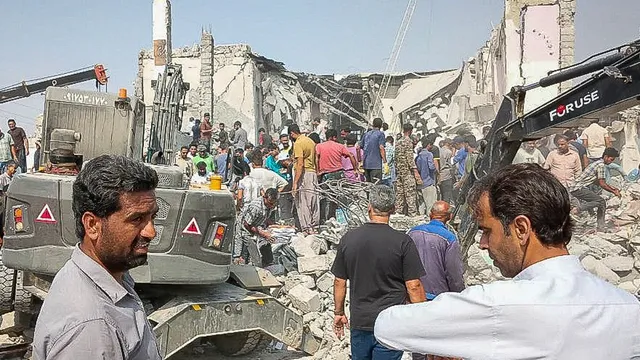
Trump administration dismantles framework to protect civilians in military strikes
Trump administration dismantles framework to protect civilians in military strikes
- The Trump administration significantly reduced the resources dedicated to civilian protection in military operations.
- This restructuring has led to a sharp increase in civilian casualties, as seen in recent strikes in conflict zones.
- Critics argue that this approach undermines international law and exacerbates the cycle of violence and hostility.
Story
In a significant shift in U.S. military policy, the Trump administration dismantled the Civilian Harm Mitigation and Response (CHMR) framework in 2025, drastically reducing the number of personnel and resources dedicated to protecting civilians during military operations. This decision emerged in response to a trend prioritizing increased lethality over accountability in warfare, as articulated by Defense Secretary Pete Hegseth. The reorganization led to a reduction of approximately 90% in the CHMR mission, which had been designed to integrate detailed civilian mapping and review mechanisms within military operations to minimize harm to non-combatants. The dismantlement of the CHMR framework coincided with a reported increase in airstrikes by U.S. forces, particularly in conflict zones like Yemen and Syria, where incidents of mass civilian casualties were recorded. For example, a February 28 missile strike in Minab, Iran, devastated a girls' primary school, resulting in over 165 fatalities, with many victims being children under 12. Critics of the Trump administration's policies have raised grave concerns about the implications of these high-casualty operations, questioning the effectiveness and moral implications of military actions taken without adequate safeguards to protect civilian lives. The restructuring faced internal resistance, with military leaders, including members of the Joint Chiefs of Staff, having expressed their belief in the importance of civilian protection. However, these voices were often drowned out by the aggressive operational changes advocated by Hegseth, who worked to eliminate perceived constraints on military engagement. This culture of increased aggression has been portrayed as a reversal of previous U.S. military strategies aimed at mitigating civilian harm. Further complicating matters, the new policies sparked international outrage and calls for accountability, particularly following catastrophic strikes that purportedly ignored updated intelligence and targeting data. As the ramifications of the policy shift unfolded, human rights organizations spotlighted numerous incidents of civilian casualties, demanding investigations into whether such actions constituted violations of international law. The impact of this shift continues to resonate, raising questions about the future of U.S. military ethics and operational conduct, especially as contemporary conflicts increasingly involve civilian populations.
Context
The concept of Civilian Harm Mitigation and Response (CHMR) has become increasingly critical in modern conflict zones. This framework is designed to reduce and address the harm inflicted upon civilians during armed conflict and military operations. The origins of CHMR can be traced back to growing recognition of the negative impacts of warfare on non-combatants, which prompted international humanitarian law (IHL) to evolve. Historically, there was a lack of structured response strategies tailored to the consequences of civilian harm, leading to initiatives aimed at improving accountability and minimizing risks to innocent lives. Over the years, various organizations and governments have worked towards the establishment of comprehensive guidelines, highlighting the necessity of safeguarding civilians and fostering accountability mechanisms. The CHMR framework functions through a multi-faceted approach that incorporates prevention, response, and the promotion of accountability. Prevention strategies involve training military personnel in the principles of IHL and ensuring they understand the importance of distinguishing between combatants and non-combatants. This is critical to reducing the number of civilian casualties. Moreover, the framework emphasizes the need to create operational plans that consider civilian locations and the potential repercussions of military actions on civilian infrastructure. CHMR also underlines the importance of community engagement, where local voices help in identifying risks and the specific needs of the affected populations. Response to civilian harm is a core component of CHMR, which involves immediate and effective support for affected civilians. This encompasses medical assistance, psychological support, and aid in rebuilding their lives and communities. Additionally, an essential aspect of CHMR is the establishment of clear reporting and investigation mechanisms that provide transparency and accountability in cases of civilian harm. Effective responses not only address the immediate needs of those affected but also serve to inform future military operations by analyzing what went wrong and how civilian safety can be better safeguarded. In conclusion, the evolution of the CHMR framework reflects an ongoing commitment to protecting civilians in conflict zones. The need for comprehensive measures that prioritize the safety and well-being of civilians has never been more crucial, as conflicts continue to evolve and the potential for harm remains high. The emphasis on accountability and effective response further fosters a culture of respect for IHL, aiming to diminish the prevalence of civilian harm and support the development of safer, more resilient communities in conflict-affected areas.


