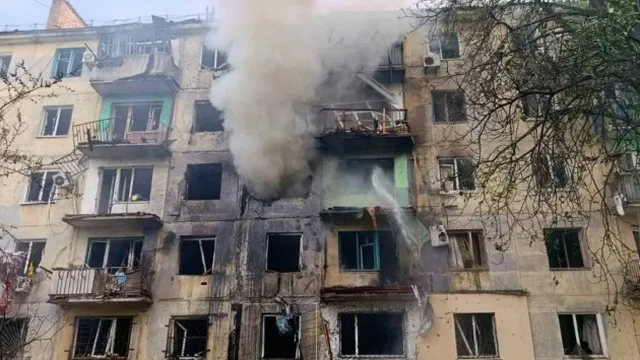
The ongoing conflict in Ukraine, particularly the Russian attacks on Ukrainian civilians, has had a profound and devastating impact on the population. Since the escalation of hostilities, millions of civilians have been affected, facing not only the immediate threat of violence but also long-term consequences on their health, safety, and well-being. The attacks have led to significant loss of life, with thousands of civilians killed or injured, and many more displaced from their homes. The psychological toll on the population is immense, as fear and trauma become part of daily life for those living in conflict zones. The destruction of infrastructure, including homes, schools, and hospitals, further exacerbates the humanitarian crisis, leaving many without access to essential services and support systems.
In addition to the physical and psychological impacts, the Russian attacks have disrupted the social fabric of Ukrainian society. Families have been torn apart, communities shattered, and traditional support networks dismantled. The displacement of people has led to overcrowded living conditions in temporary shelters, where access to basic necessities such as food, clean water, and medical care is severely limited. The strain on local resources has intensified, as host communities struggle to accommodate the influx of displaced individuals. This situation has created a cycle of vulnerability, where the most marginalized groups, including women, children, and the elderly, face heightened risks of exploitation and abuse.
The international response to the crisis has been significant, with various humanitarian organizations working tirelessly to provide aid and support to affected civilians. However, the scale of the need often outpaces the available resources, leading to gaps in assistance. Efforts to document and report on the human rights violations occurring as a result of the conflict are crucial for accountability and justice. The international community must continue to advocate for the protection of civilians and ensure that humanitarian access is granted to those in need. Furthermore, there is a pressing need for diplomatic efforts to resolve the conflict and address the root causes of violence, as a sustainable peace is essential for the recovery and rebuilding of affected communities.
In conclusion, the impact of Russian attacks on Ukrainian civilians is multifaceted, encompassing immediate physical harm, long-term psychological effects, and significant social disruption. The humanitarian crisis resulting from these attacks requires urgent attention and action from both local and international actors. As the situation evolves, it is imperative to prioritize the protection of civilians, provide adequate support for those affected, and work towards a peaceful resolution to the conflict. Only through concerted efforts can the resilience of the Ukrainian people be supported and the path to recovery be paved.