

Singapore struggles with cricket tourism due to limited facilities
Singapore struggles with cricket tourism due to limited facilities
- Singapore is recognized for hosting major sporting events like Formula One and tennis championships.
- Cricket, despite its global following, is missing from Singapore's sports culture.
- Improving access to cricket facilities and media coverage could enhance local participation and tourism.
Story
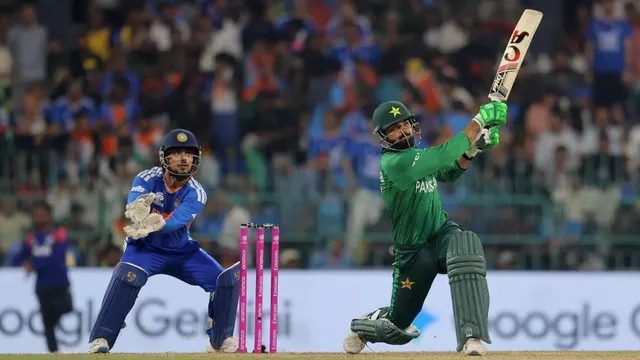
Singapore, located in Southeast Asia, has established a strong reputation as a host for various world-class sporting events yet lacks a significant presence in cricket, a sport followed by over a billion fans globally. Notably, Singapore hosts prestigious events such as the Formula One Grand Prix and the Singapore Open, but cricket remains noticeably absent from its sporting portfolio. The involvement of cricket in the nation could be mutually beneficial, as there is an existing interest in the sport among the population. However, to capitalize on this, Singapore must not only host cricket events but also encourage local teams to participate and compete internationally. Cricket held in other regions, especially during major tournaments like the ICC Men’s T20 World Cup, generates substantial global media coverage and interest. Unfortunately, in Singapore, media coverage of cricket events is relatively sparse. As a result, this limited exposure does not adequately represent the sport's global significance, nor does it engage the local fanbase that follows cricket. To foster greater interest and participation among the youth, a stronger alignment between media representation and infrastructure development is crucial. Currently, the young and aspiring cricketers face challenges due to inadequate access to cricketing grounds and facilities. The current situation regarding cricket infrastructure is critical. Many existing cricket grounds are oversubscribed, and the demand exceeds availability. School sports fields are not easily accessible for cricket practices on weekends as they are not available for booking through platforms like ActiveSG, which hinders grassroots development and youth engagement. Access to proper training facilities fosters a healthy sporting ecosystem, essential for sustaining interest and participation in cricket among the youth. Addressing these infrastructure issues is vital if the nation is to develop its cricketing talent and capitalize on the growing interest in the sport. Thus, for Singapore to tap into the cricket tourism market, it must embrace a supportive framework that encompasses not only the hosting of international tournaments but also the nurturing of local talent. Improvements in ground access, flexible use of existing facilities, and a focus on consistent media recognition could enhance Singapore's standing in the cricketing world. By integrating sports tourism initiatives with active participation goals, Singapore has the potential to transform itself into a hub for cricket that attracts international fans while cultivating homegrown talent to compete on the global stage.


