

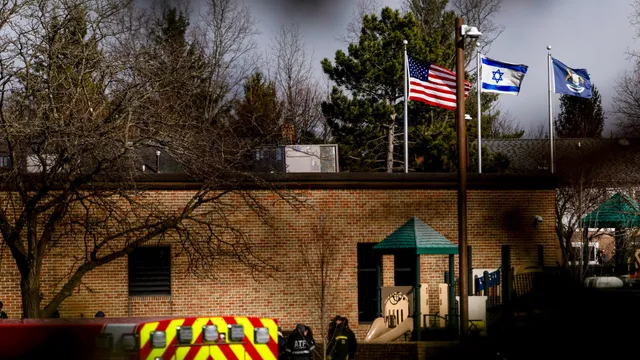
Hezbollah-inspired assailant targets Michigan synagogue in deadly attack
Hezbollah-inspired assailant targets Michigan synagogue in deadly attack
- Ayman Mohamad Ghazali, who was inspired by Hezbollah, executed a tragic attack on Temple Israel synagogue.
- He lost family members in a recent Israeli airstrike, which may have motivated his violent action.
- The FBI classified the incident as an act of terrorism targeting the Jewish community, highlighting the need for increased vigilance against such threats.
Story
In the United States, a tragic act of violence occurred at Temple Israel synagogue in West Bloomfield, Michigan, on March 12, 2026. Ayman Mohamad Ghazali, a U.S. citizen originally from Lebanon, carried out a violent act by ramming his truck loaded with gasoline and fireworks into the building while armed with an AR-style rifle. This act was determined by the FBI to be inspired by Hezbollah and represented a targeted attack against the Jewish community. Ghazali had reportedly lost family members in an Israeli airstrike shortly before the attack, which may have influenced his actions. No other lives were lost during this shocking incident, though it resulted in a violent exchange with security personnel at the synagogue. Ghazali engaged in a gunfight with security before he ultimately took his own life. Prior to the attack, he exhibited concerning behavior, including sending messages and videos to his sister in Lebanon, expressing his intent to commit a mass attack. This senseless act has raised alarm and condemnation from leaders and community members alike, calling attention to the growing threat of terrorism and the importance of vigilance in safeguarding communities against such incidents. The attack came in the context of heightened tensions following the recent U.S. and Israel actions against Iran, further fueling hostilities involving Hezbollah, which is deemed a foreign terrorist organization by the U.S. since 1997. Furthermore, Ghazali had attempted to purchase weapons and ammunition on the day of the attack, indicating a premeditated approach to his tragic act of violence, which was fueled by his grief and desire for vengeance against perceived enemies. The response from law enforcement was swift and decisive, providing necessary protection to the community while grappling with the implications of this brutal incident.
Context
impact impact insight insight data trends geopolitical shift market trends analysis geopolitical market policy data analysis policy economic geopolitical global insight analysis market economic strategic global impact strategic global economic policy insight analysis trends trends trends data shift shift economic market geopolitical trends trends policy shift analysis economic analysis insight global market global analysis impact data market shift market economic market impact market market market insight trends policy impact analysis global geopolitical strategic strategic policy global impact shift analysis trends...


