

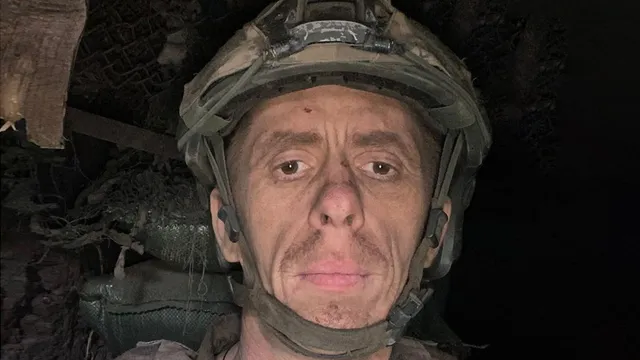
Ukrainian sergeant survives 471 days in underground bunker against Russians
Ukrainian sergeant survives 471 days in underground bunker against Russians
- A Ukrainian sergeant named Tyshchenko endured 471 days in an underground bunker during the conflict.
- His team faced extreme challenges, including food shortages, limited air, and the presence of enemy corpses.
- Tyshchenko's account highlights the human endurance and resilience under dire circumstances.
Story
In Ukraine, a sergeant named Tyshchenko spent an extraordinary 471 days in an underground bunker from July 13, 2023, to October 28, 2025. During this period, he and a small team of soldiers faced extreme hardships, including limited breathing space and scarcity of food and water. As they defended a strategic location near Bakhmut, they frequently encountered drone warfare, which escalated the danger of their situation. Tyshchenko recounted the psychological toll of living underground, where they were isolated from the outside world and had to deal with the presence of unburied Russian corpses near their entrance, intensifying the horror of their confinement. The conditions in the bunker compelled Tyshchenko and his team to take on an additional challenge: digging their own well to secure a water supply. This venture highlighted their resilience, as water shortages complicated an already dire situation with precarious living conditions. The soldiers relied on improvised sandbags to seal breaches from attacks and attempted to adapt their environment in an effort to survive. As they battled the isolation and psychological challenges, they also had to ensure that they maintained their defensive capabilities against enemy advancements. Tyshchenko's long stint underground initiated when he and a companion were ambushed by a drone while collecting rations. This marked the start of a relentless test of endurance, where reinforcement was deemed too risky due to the heightened conflict surrounding them. The fact that no additional soldiers were sent to assist them underlined the gravity of their plight. For over a year, the sergeant and his diminishing team of four held onto their position, firmly committed to resisting the enemy's strategic advances despite facing significant emotional and physical fatigue. Eventually, Tyshchenko’s story became emblematic of the extreme conditions faced by soldiers in modern warfare. Their experience in the bunker offered a vivid illustration of heroism and determination amidst the backdrop of an ongoing conflict. His willingness to share his experiences sheds light on the personal cost borne by servicemen and women who defend their country, revealing the depths of human endurance in the face of overwhelming odds. Tyshchenko emphasizes the importance of resilience and bonding among soldiers, an essential aspect of surviving such an ordeal in the struggle against the Russian forces.
Context
geopolitical analysis economic market insight strategic analysis data impact analysis insight impact policy strategic insight data shift analysis insight analysis economic market policy trends impact impact strategic shift strategic policy policy policy economic impact strategic trends geopolitical insight insight trends market trends data global data shift global economic analysis impact geopolitical strategic trends trends market analysis analysis analysis strategic insight trends trends policy geopolitical data impact shift geopolitical analysis geopolitical economic data economic analysis insight global economic data analysis shift...


