

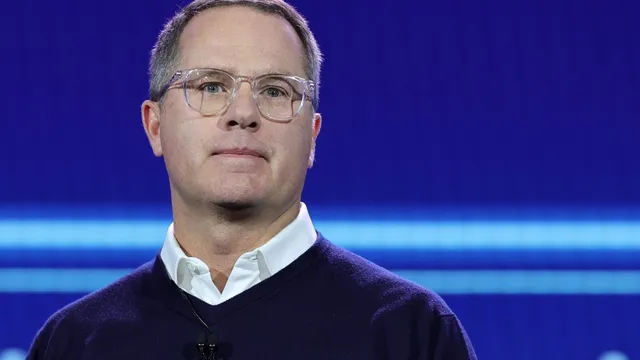
Doug McMillon steps down as Walmart CEO in 2026
Doug McMillon steps down as Walmart CEO in 2026
- Walmart CEO Doug McMillon is set to retire on January 31, 2026.
- John Furner, currently leading Walmart’s U.S. operations, will succeed him as CEO starting February 1.
- This leadership change signifies Walmart's ongoing evolution in response to 21st-century retail challenges.
Story
In an unexpected announcement, Walmart's Chief Executive Officer Doug McMillon revealed that he would retire from his position on January 31, 2026. The decision marked a significant transition for the world's largest retailer, as McMillon has been at the helm since February 2014. Under his leadership, Walmart experienced substantial growth, with its annual revenue rising from $485.7 billion to $681 billion, and significantly increased wages for employees. The incoming CEO, John Furner, who has worked with Walmart since 1993 and currently oversees its U.S. operations, will take over the rein on February 1, 2026. Greg Penner, Walmart's chairman, expressed confidence in Furner’s skills and dedication, emphasizing his extensive experience within the company. The transition comes as Walmart faces modern challenges, such as artificial intelligence integration and a changing retail environment influenced by e-commerce and economic pressures. McMillon will remain on the Board of Directors until the next annual shareholders' meeting, providing advisory support during this change in leadership.
Context
Walmart, a leading global retailer, has made significant strides in sustainability initiatives over the years, reflecting an urgent response to environmental challenges and consumer expectations. The company has integrated sustainable practices into its operations, focusing on areas such as waste reduction, energy efficiency, and sustainable sourcing. With a commitment to becoming a regenerative company that helps restore and preserve the environmental and social ecosystems in which it operates, Walmart has set ambitious goals, including achieving 100% renewable energy usage by 2035, aiming to reach zero waste in its operations in the U.S. and Canada, and committing to sustainable sourcing of key products and materials. One of the core components of Walmart's sustainability strategy is its commitment to reducing greenhouse gas emissions. The company has implemented measures to transition to renewable energy sources in its stores and facilities. By investing in solar and wind energy projects, Walmart has managed to significantly cut down its carbon footprint. Additionally, the company is working on improving the energy efficiency of its operations, aiming for a 50% reduction in emissions intensity across its global supply chain by 2030. These initiatives not only address climate change concerns but also lead to cost savings and operational efficiencies. Walmart's commitment to zero waste is particularly noteworthy, as the company has set a goal to divert at least 90% of its waste from landfills. This initiative involves recycling, composting, and finding alternative uses for products that can no longer be sold. By enhancing its waste management practices, Walmart not only reduces landfill contributions but also seeks to create a circular economy within its supply chain. Moreover, the company collaborates with suppliers and partners to develop sustainable packaging solutions, minimize packaging waste, and increase recyclability. Sustainable sourcing is another critical focus area for Walmart, as the retailer strives to ensure that the products it sells are produced in an environmentally responsible and socially equitable manner. This includes sourcing seafood from fisheries that adhere to responsible practices, working with farmers to promote sustainable agricultural methods, and sourcing materials like palm oil and paper from sustainable suppliers. These efforts not only benefit the environment but also help support the communities and ecosystems from which products are derived. In conclusion, Walmart's robust sustainability initiatives reflect a comprehensive approach to addressing environmental challenges while fostering an economy that is not only profitable but also capable of sustaining future generations.


