

Vietnam encourages remote work to alleviate fuel crisis
Vietnam encourages remote work to alleviate fuel crisis
- Vietnam's trade ministry has urged businesses to implement remote work policies to mitigate fuel consumption.
- The country is facing sharp increases in fuel prices due to disruption from the U.S.-Israeli conflict involving Iran.
- The government's measures aim to ensure national energy security amidst a growing energy crisis.
Story
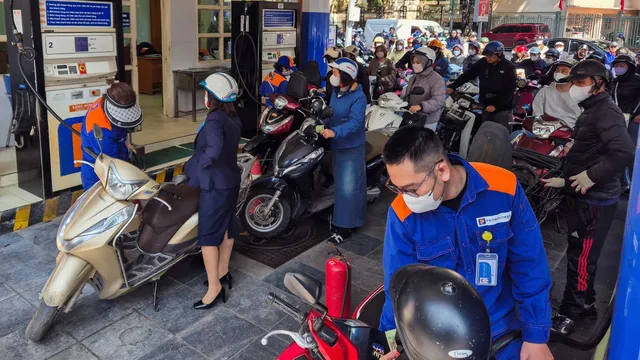
Vietnam is currently experiencing significant economic challenges due to severe fuel shortages and price surges that have arisen from the recent U.S.-Israeli war involving Iran. The nation's trade ministry has issued a statement urging firms to facilitate work-from-home policies to curb fuel consumption. This recommendation follows sharply rising gasoline prices, which increased by 32%, diesel by 56%, and kerosene by 80%. The instability in the Middle East has put considerable pressure on Vietnam's energy-dependent economy, which heavily relies on oil and gas imports from the region. In the wake of these disruptions, long queues for fuel were reported in major cities like Hanoi, underscoring the urgent need for action to address the escalating crisis. In response, the Vietnamese government has proactively reached out to leaders in Kuwait, Qatar, and the United Arab Emirates, seeking to secure additional fuel and crude oil supplies to stabilize the local market. Moreover, to alleviate market pressure, temporary measures such as waiving import tariffs on fuel until the end of April have been put in place. This situation reflects a broader global trend where governments are revisiting remote work policies as a means to lessen fuel demand. Reports indicate that nations like Denmark and the Philippines have also initiated similar flexible work arrangements in their respective efforts to manage energy consumption. These strategies serve as a collective response to a multifaceted energy crisis exacerbated by conflicts in the Middle East affecting oil supply chains worldwide, especially for countries heavily dependent on imported energy resources. As the global energy market grapples with substantial disruptions, the Vietnamese government's decision to advocate for remote work aligns with measures taken during previous fuel crises. Authorities in various countries have called upon their citizens to minimize unnecessary travel and consumption to mitigate the impacts of soaring energy prices. The overall outlook remains precarious, and success in securing stable fuel supplies will prove pivotal in easing Vietnam's current economic pressures created by the dire energy situation.
Context
Conflicts in the Middle East have consistently influenced global fuel prices, with their repercussions felt across economies worldwide. The region is home to some of the largest oil reserves and production facilities, making any disturbances, whether military, political, or social, capable of triggering fluctuations in oil prices. For instance, when conflicts arise, supply chains may become disrupted, leading to fears of shortages, which in turn drive prices higher. The interconnectedness of today’s global market means that oil price surges, caused by conflicts in the Middle East, can have a ripple effect on fuel prices in far-flung countries, impacting transportation costs, consumer goods prices, and overall economic stability. A historical perspective demonstrates that conflicts such as the Gulf War in the 1990s and more recent events in Syria and Iraq have led to significant spikes in crude oil prices, emphasizing the volatility introduced by geopolitical tensions. The impact of such conflicts on oil prices is often exacerbated by the reaction of key players in the oil market, including OPEC (Organization of the Petroleum Exporting Countries) and non-OPEC producers. When tensions escalate, OPEC members and other oil-producing nations may alter their output strategies—either to stabilize prices through coordinated production cuts or to maximize revenue in anticipation of higher prices. The market is particularly sensitive to announcements or hints of military action due to the immediate uncertainty they create around supply continuity. Furthermore, speculative trading in oil futures can amplify price movements, as traders react to news reports and forecasts related to Middle Eastern conflicts, driving prices further up or down based on sentiment rather than fundamentals. Beyond direct implications on pricing, conflicts in the Middle East can also influence long-term fuel pricing trends and energy policies globally. Countries may seek to diversify their energy sources to mitigate risks associated with reliance on Middle Eastern oil. This shift can lead to increased investments in alternative energy innovations, alongside growing interest in renewable energy technologies, as nations strive for energy independence and security. Governments recognize that ongoing instability in oil-producing regions poses a threat not only to fuel prices but also to broader economic health. Therefore, energy strategies are increasingly being adapted to reduce vulnerability to volatile oil markets, with a strong emphasis on sustainability. In conclusion, the interplay between Middle East conflicts and global fuel prices is a complex and multifaceted issue. The disruptive potential of geopolitical strife in a region critical to oil production can lead to immediate price increases, shaped by market reactions and strategic adjustments by oil producers. Meanwhile, the ongoing cycle of conflict and response in the region continues to drive changes in global energy policies, pushing nations toward more diverse and sustainable energy pathways. As such, stakeholders from governments to consumers must remain vigilant and adaptable in the face of these enduring geopolitical challenges and their far-reaching economic consequences.


