

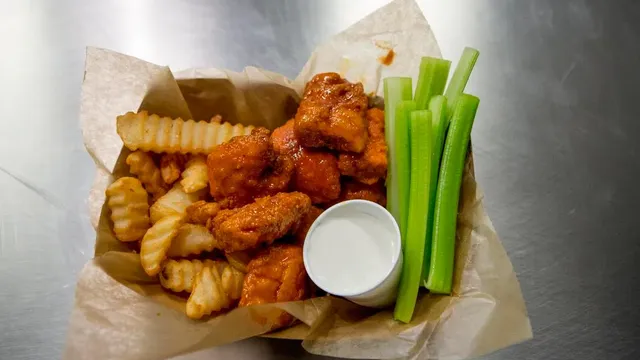
Judge dismisses buffalo wild wings lawsuit over boneless labeling
Judge dismisses buffalo wild wings lawsuit over boneless labeling
- A federal judge in Chicago dismissed a lawsuit against Buffalo Wild Wings regarding the marketing of boneless wings.
- The plaintiff argued that the term 'boneless wings' was misleading and violated consumer protection laws.
- Judge Tharp ruled that reasonable consumers are not misled by the name and allowed the plaintiff to amend his complaint.
Story
In the United States, on February 17, 2026, a federal judge in Chicago, John Tharp Jr., dismissed a lawsuit that had been filed against Buffalo Wild Wings. The plaintiff, Aimen Halim, claimed that the restaurant chain misled customers by marketing its 'boneless wings' as actual wings, but in reality, they are more akin to chicken nuggets. Halim argued that this deceptive marketing violated the Illinois Consumer Fraud and Deceptive Business Practices Act, asserting that customers were confused by the product's name and believed they contained real wing meat. In his ruling, Judge Tharp pointed out that Halim's claims lacked substantive evidence and did not provide sufficient factual allegations to support the lawsuit. He noted that reasonable consumers would not be misled into thinking that boneless wings are made from the meat of chicken wings. Additionally, the judge drew a comparison with cauliflower wings, emphasizing that consumers understand these to be non-meat alternatives. Consequently, he concluded that there was little basis for Halim's assertion that consumers were confused. While the case was dismissed, Judge Tharp did grant Halim a chance to amend his lawsuit and provide further factual allegations that could substantiate his claims against the restaurant chain. Halim was given until March 20, 2026, to refile his suit with any additional details that might help his position. This ruling serves as a significant legal precedent in consumer fraud cases relating to food marketing, potentially affecting how food items are branded in the future, especially in terms of the transparency required in advertising. The dismissive tone of Judge Tharp's ruling highlights the challenges that consumers face when attempting to hold companies accountable for perceived misleading advertising. It illustrates the court's stance on the expectations of consumers regarding food product labeling and marketing practices. The outcome of this case may influence future lawsuits involving similar allegations against other food brands, as clarity in marketing terms comes under scrutiny.


