

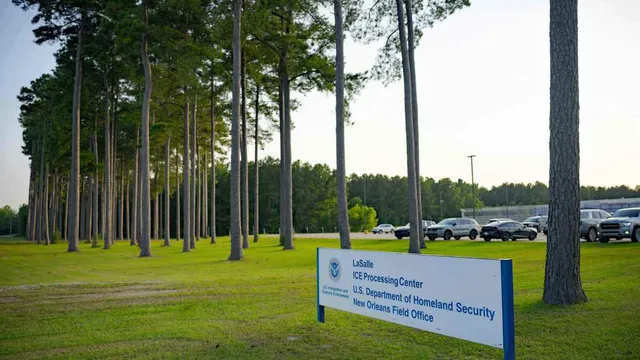
DHS denies increase in ICE custody deaths amid rising deportations
DHS denies increase in ICE custody deaths amid rising deportations
- DHS refutes media claims of increased deaths in ICE custody, stating the death rate remains low.
- Recent reports indicate 30 deaths in ICE custody this year, the highest since 2004, raising alarms for advocates.
- Concerns grow over medical care availability as detention numbers surge, leading to calls for increased oversight and resources.
Story
In the United States, the Department of Homeland Security (DHS) has recently refuted claims regarding an increase in deaths within Immigration and Customs Enforcement (ICE) custody, aiming to correct what it describes as media misrepresentation. A spokesperson, Tricia McLaughlin, stated that the death rates in custody remain consistent at 0.00007% over the past decade, even amidst heightened immigration arrests initiated under President Donald Trump's administration. As of November 30, 2025, roughly 65,735 individuals were in ICE detention, with reports of significant care limitations in various facilities despite legislation aimed at expanding operational resources. The controversy arose following a report of four deaths occurring in ICE custody within a mere four-day span, contributing to a worrying statistic that 2025 has recorded at least 30 in-custody deaths, which is the highest annual figure since 2004. This alarming trend has prompted concern from human rights advocates, who argue that an increase in detainees has exacerbated existing inadequacies in medical care and oversight, leading to severe health risks among individuals in custody. The situation highlights the dichotomy of the administration’s messaging surrounding immigration enforcement. While the DHS insists that it upholds strict medical protocols for detainees, the surge in the detention population has raised critical questions about the ability to provide necessary medical and psychological support. Many advocates underscore the discrepancies between the treatment of immigrants in custody compared to that of U.S. citizens in federal prisons, noting that ICE facilities may not always meet required health care standards. Amid these developments, it is essential to recognize the broader context of immigration enforcement strategies, which prioritize speed and deterrence. While the DHS has noted substantial progress in removing immigrants, it faces scrutiny over human rights implications as deaths continue to attract public and media attention. There are concerns that the rapid expansion of detention facilities without adequate investments in health care will lead to tragic outcomes for vulnerable populations.


