

Greece secures WWII photos depicting Nazi executions of 200 citizens
Greece secures WWII photos depicting Nazi executions of 200 citizens
- A Belgian collector posted World War II photos of Nazi executions for auction, drawing the attention of Greece's Culture Ministry.
- Experts confirmed the authenticity of the images, linking them to the 200 political prisoners executed during the Nazi occupation.
- Greece signed a preliminary deal to acquire the photographs, recognizing their significance as part of Greek heritage.
Story
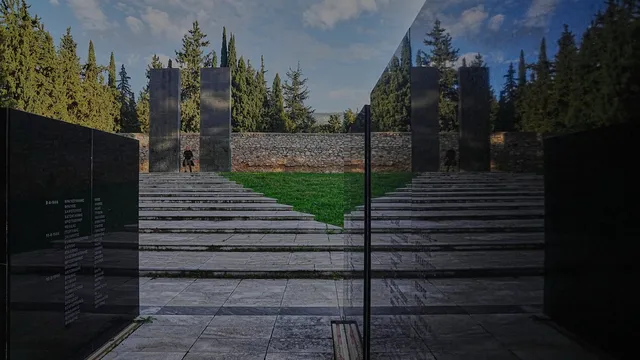
In the early part of 2023, Greece took significant steps to reclaim its historical memory by negotiating the acquisition of a collection of World War II photographs. These striking images depict the horrific events surrounding the executions of 200 political prisoners by a Nazi firing squad on May 1, 1944, in the Kaisariani suburb of Athens. The photographs surfaced when a Belgian collector, Tim de Craene, posted them for online auction, leading the Greek Culture Ministry to intervene after learning of their historical significance. After verifying the authenticity of the photographs, Greece declared them an integral part of its cultural heritage. The Culture Minister, Lina Mendoni, announced the preliminary agreement shortly after experts confirmed that the collection consisted of a total of 262 images taken by Wehrmacht Lieutenant Hermann Heuer during his deployment in Greece from 1943 to 1944. These photos are the only known visual evidence of the Kaisariani executions, which represent one of the gravest atrocities committed by Nazi forces in Greece during World War II. The timing of the photos’ emergence could not have been more poignant; they coincided with a recent act of vandalism against a memorial dedicated to the victims at the execution site in Kaisariani. The memorial itself, bearing the names of the executed, faced desecration just after the photos were listed for auction, illustrating the deep wounds of historical memory still present in Greek society. The municipality of Kaisariani issued a statement emphasizing the importance of preserving this historical memory, asserting that the emotional resonance of the photos serves as a reminder and tribute to those who bravely faced execution. The culture ministry’s action to retrieve these photographs highlights the ongoing struggle of Greece to reconcile its traumatic past with the present, especially amid continuing societal debates regarding the legacy of WWII and its lasting impacts on modern Greece. As Greece continues to assert its cultural identity and reclaim symbols of resilience, this agreement is a testament to the country's commitment to ensuring that the atrocities of the past remain documented and acknowledged. The historical significance of these photographs transcends mere documentation; they serve as a powerful reminder of the need for reflection on the impacts of war, memory, and national identity. The acquisition of these images could spark renewed discussions around similar historical themes, reminding us of both the fragility of democracy and the importance of remembering those who suffered under tyranny. Such actions are critical for Greece as it seeks to confront its history while preserving its cultural heritage for future generations.
Context
policy impact insight analysis policy strategic market policy insight economic global geopolitical analysis market impact shift economic economic geopolitical policy geopolitical trends global policy impact economic analysis shift global data global geopolitical market market policy impact market geopolitical strategic global policy market data shift data global global data shift geopolitical data analysis policy market shift economic geopolitical market geopolitical shift economic strategic trends geopolitical insight insight market economic geopolitical global impact market global market impact data policy global data insight...


