

U.S. scientists edit human embryos, raising ethical concerns
U.S. scientists edit human embryos, raising ethical concerns
- A team of U.S. researchers edited human embryos using base editing techniques.
- The embryos were not intended for pregnancies, raising ethical concerns.
- This research may signal a shift towards acceptance of gene editing for enhancement purposes.
Story
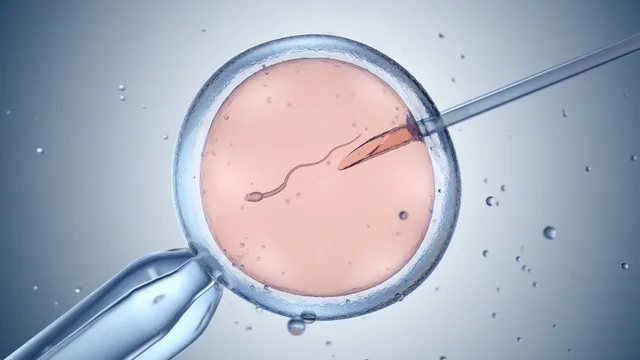
In recent months, a team of researchers in the United States, led by Dieter Egli from Columbia University, has conducted a study involving the editing of human embryos. This research utilized a technique known as base editing, which allows for precise modifications to specific genomic sites. The embryos, referred to as zygotes, were edited at two sites corresponding to genes that regulate cholesterol and hemoglobin. Notably, these embryos were not intended for pregnancy, which has raised ethical questions about the implications of such research. The study has sparked concerns among scientists regarding the potential acceptance of gene editing for enhancement purposes rather than solely for therapeutic ends. The ethical landscape surrounding human embryo editing has evolved significantly since the introduction of CRISPR technology in 2012. An international commission in 2020 outlined conditions under which germline editing might be deemed acceptable, yet an informal moratorium on editing human embryos has persisted. The work by Egli's team, however, has been viewed by some as a potential gateway to broader applications of embryo editing, including enhancements. Critics argue that the embryos edited by Egli's team did not carry pathogenic mutations, which raises questions about the necessity and justification of the research. In the context of previous controversial experiments, such as those conducted by Chinese scientist He Jiankui, the ethical implications of embryo editing have come under intense scrutiny. Jiankui's work resulted in the birth of genetically edited children, which led to widespread condemnation and calls for stricter regulations. In contrast, Egli's research did not involve carrying embryos to term, but it still highlights the ongoing debate about the safety and ethical considerations of gene editing technologies. The potential for misuse of these technologies for non-therapeutic enhancements remains a significant concern among bioethicists and researchers alike. Funding for the study came from various organizations, including the Institute of Organic Chemistry and Biochemistry in Prague and the New York Stem Cell Foundation. As the field of gene editing continues to advance, the need for robust ethical guidelines and oversight becomes increasingly critical. The implications of this research extend beyond the laboratory, as society grapples with the moral and ethical dimensions of editing human embryos and the potential consequences for future generations.
Context
insight shift insight insight impact economic shift policy insight analysis policy shift shift global insight insight economic economic impact insight impact impact impact data trends market trends policy global analysis analysis market impact market data insight insight insight impact market analysis geopolitical strategic market geopolitical trends impact impact strategic data impact trends trends policy data strategic strategic global data strategic geopolitical trends insight impact impact impact analysis geopolitical insight economic analysis market market shift geopolitical shift policy shift policy impact...


