The relations between North Korea and South Korea have been characterized by a complex history of conflict, division, and ongoing attempts at dialogue. The Korean Peninsula was divided at the end of World War II in 1945, leading to the establishment of two separate states: North Korea, officially the Democratic People's Republic of Korea (DPRK), and South Korea, officially the Republic of Korea (ROK). The Korean War, which occurred from 1950 to 1953, intensified animosities and resulted in a significant military presence from the United States in South Korea, while North Korea established a regime under Kim Il-sung focused on strict communism and self-reliance. After the war, the Demilitarized Zone (DMZ) was created, serving as a buffer that underscores the ongoing division between the two Koreas.
In the decades that followed, relations between the two nations fluctuated between periods of heightened tension and attempts at reconciliation. The late 1990s and early 2000s saw a thawing of relations, marked by the historic summits between North and South Korea. The famous 2000 summit between then-South Korean President Kim Dae-jung and North Korean leader Kim Jong-il resulted in the 'Sunshine Policy,' which aimed at fostering cooperation and reducing tensions. However, this was met with mixed success and faced domestic opposition in South Korea, contributing to the eventual cooling of inter-Korean relations. The development of North Korea's nuclear weapons program has further complicated the dynamics, leading to international sanctions and increased military posturing from both sides, emphasizing national security concerns.
Recently, there have been both hopeful signs and significant setbacks in North-South relations. The 2018 summits between South Korean President Moon Jae-in and North Korean leader Kim Jong-un were historic, as they were aimed at promoting peace and denuclearization. Agreements to reduce military tensions and enhance economic cooperation were made; however, subsequent negotiations have largely stalled due to disagreements over the pace of denuclearization and lifting sanctions. The uncertainty surrounding North Korea's leadership dynamics, especially after the health concerns regarding Kim Jong-un in 2020, has also impacted the willingness to engage diplomatically, with reports presenting a more isolated regime focused on internal stability.
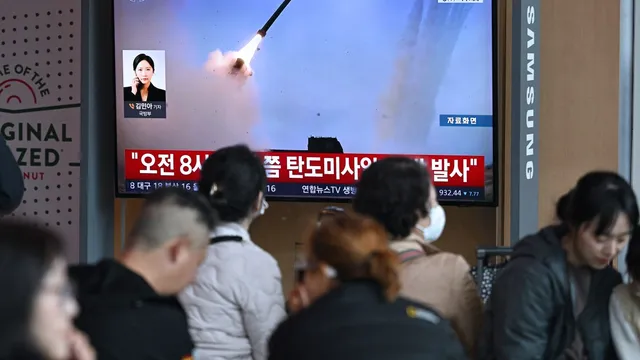
Looking ahead, the future of North Korea-South Korea relations remains precarious. The inter-Korean dialogue will likely continue to fluctuate based on a variety of factors, including international geopolitical dynamics, the internal political landscape of both countries, and North Korea's nuclear strategy. Recent actions by North Korea, including missile tests and the emphasizing of military capabilities, highlight ongoing tensions. Nevertheless, while the prospect of constructive dialogue seems uncertain in the short term, the desire for peace and stability on the Korean Peninsula persists among many stakeholders, suggesting that periods of engagement could arise again, especially in times of heightened diplomatic pressures or regional crises.