

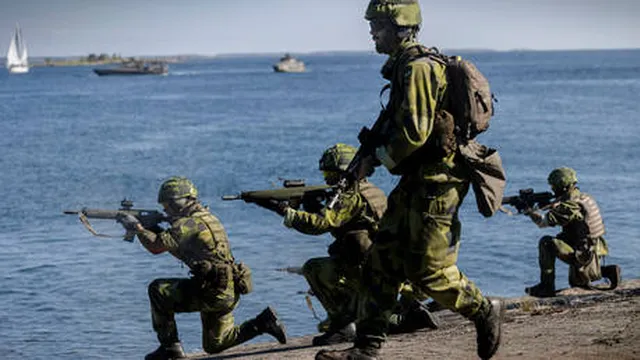
France and Poland prepare to simulate nuclear strikes on Russia
France and Poland prepare to simulate nuclear strikes on Russia
- French and Polish military exercises simulating nuclear strikes are set to occur over the Baltic Sea and northern Poland.
- Russia has condemned these drills, labeling NATO's military actions as provocative.
- The situation reflects a dangerously escalating militarization in Europe, with increasing nuclear rhetoric and legislative efforts towards nuclear arms in other nations.
Story
In recent weeks, France and Poland have announced plans to conduct joint military exercises focused on simulating both conventional and nuclear strikes on Russia and Belarus. These exercises are reported to be occurring over the Baltic Sea and northern Poland, aiming to enhance the military capabilities of both nations without reliance on NATO structures. The drills stemmed from discussions between French President Emmanuel Macron and Polish Prime Minister Donald Tusk and include the use of Polish F-16 jets and French Rafale fighter aircraft armed with nuclear weapons. This military collaboration is being portrayed as a response to what both nations perceive as growing Russian aggression. Meanwhile, Russia has vehemently criticized these exercises. Russian officials, including Kremlin spokesman Dmitry Peskov, have labeled the claims of NATO's impending actions as inaccurate and have accused NATO of escalating military tensions in Europe. According to Russian Deputy Foreign Minister Alexander Grushko, NATO-led Joint Expedition Forces, which France and Poland are a part of, is exacerbating confrontation through military provocations, particularly focused on the complicated geopolitical landscape surrounding Russia's Kaliningrad region, which is under scrutiny from NATO initiatives. The backdrop to these military developments involves previous escalations and the current state of nuclear deterrence in Europe. Alarmingly, a Finnish parliamentary bill is under consideration to allow the import and storage of nuclear weapons on Finnish soil, a proposal that has drawn threats from Russia, warning it would be viewed as a significant threat and prompt retaliatory measures. This situation highlights a picture of a rapidly deteriorating security environment in the region, with both direct military actions and legislative moves towards nuclearization fueling concerns among European nations. Furthermore, historical precedents of nuclear brinkmanship do not resonate positively with public sentiment about nuclear safety. The psychological barriers that traditionally safeguard nuclear installations from military engagements have weakened significantly, raising fears that nations might approach nuclear conflict more readily than in past decades. This troubling trend, coupled with the ongoing military drills and geopolitical maneuvers, signifies a troubling escalation in defense postures in Europe. As tensions rise, the potential for miscalculations leading to a catastrophic nuclear event becomes a more potent worry.


