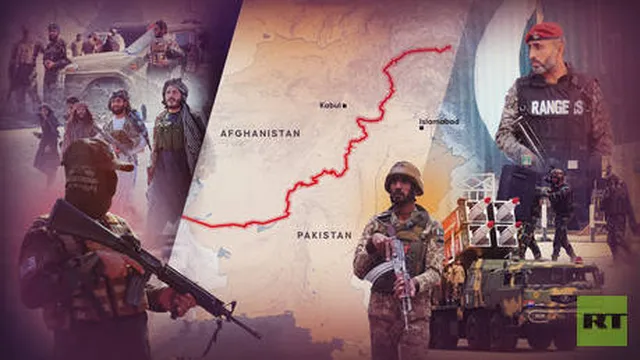
The history of conflicts along the Afghanistan-Pakistan border is a complex narrative shaped by historical grievances, ethnic divisions, and geopolitical interests. The Durand Line, established in 1893, serves as the official border between Afghanistan and Pakistan, but it has been a source of contention since its inception. Afghanistan has never formally recognized the Durand Line, viewing it as a colonial imposition that divides ethnic Pashtun populations across both nations. This division has fueled tensions and has been a catalyst for various conflicts, particularly as both countries have struggled with issues of national identity and territorial integrity.
In the late 20th century, the Soviet invasion of Afghanistan in 1979 marked a significant turning point in the region's dynamics. The ensuing conflict led to the rise of various mujahideen factions, many of which received support from Pakistan. The porous border allowed for the movement of fighters and resources, further complicating the situation. Following the Soviet withdrawal in 1989, Afghanistan descended into civil war, and the Taliban emerged as a dominant force in the mid-1990s. Their rule was characterized by a strict interpretation of Islamic law and a focus on consolidating power, which often involved cross-border incursions into Pakistan, exacerbating tensions.
The post-9/11 era brought renewed focus to the Afghanistan-Pakistan border, as the U.S.-led invasion of Afghanistan aimed to dismantle al-Qaeda and remove the Taliban from power. Pakistan, a key ally in this effort, faced its own challenges with rising militancy within its borders, particularly from groups that operated in the Federally Administered Tribal Areas (FATA) and Khyber Pakhtunkhwa. The border became a battleground for various militant groups, leading to a series of military operations by the Pakistani government aimed at curbing insurgency and restoring order. However, these operations often resulted in civilian casualties and displacement, further straining relations between the two countries.
In recent years, the situation has remained volatile, with ongoing skirmishes and accusations of cross-border terrorism. The withdrawal of U.S. troops from Afghanistan in 2021 has raised concerns about the resurgence of the Taliban and the potential for increased instability along the border. Both Afghanistan and Pakistan continue to grapple with the legacy of their shared history, as well as the influence of external powers in the region. The future of the Afghanistan-Pakistan border remains uncertain, with the potential for both cooperation and conflict as both nations navigate their complex relationship.