

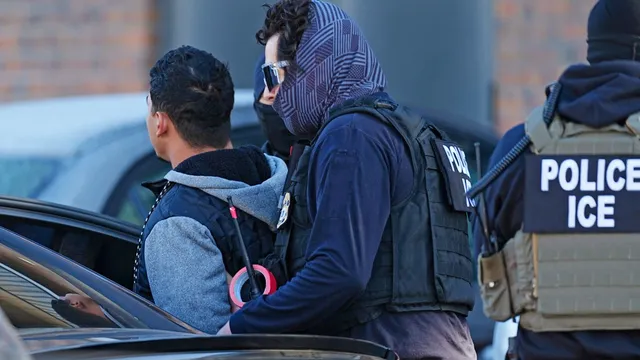
Federal judge restricts ICE arrests of illegal immigrants in Colorado
Federal judge restricts ICE arrests of illegal immigrants in Colorado
- A federal judge in Colorado has restricted warrantless arrests by ICE agents.
- The ruling was prompted by a lawsuit from the ACLU filed on behalf of arrested individuals.
- Judge Jackson's decision could challenge broader immigration enforcement policies under the Trump administration.
Story
In a significant ruling, a federal judge in Colorado has limited the powers of Immigration and Customs Enforcement (ICE) agents. The ruling, issued by U.S. District Senior Judge R. Brooke Jackson, mandates that warrantless arrests of illegal immigrants can only occur if there is a probable cause that the individuals are likely to flee. This decision arose from a lawsuit filed by the American Civil Liberties Union of Colorado, representing four individuals who were detained without warrants during a series of raids. The plaintiffs included asylum-seekers who argued that their arrests were made indiscriminately, solely based on their Latino ethnicity and without proper legal grounds. Judge Jackson emphasized that each had substantial ties to their communities, indicating they were not likely to evade capture if a warrant had been sought. This ruling reflects a broader challenge to the Trump administration's aggressive immigration enforcement policies that were enacted in recent years. It aligns with a previous ruling from a court in California that sought similar protections against indiscriminate immigration enforcement practices. The Department of Homeland Security condemned Jackson’s ruling, labeling it as activist and rejecting the claims of racial profiling that initiated the lawsuit. The federal government indicated plans to appeal this decision, seeking to restore authority that permits ICE to perform warrantless arrests more broadly, thereby highlighting the ongoing political and legal battles over immigration policy in America.
Context
The impact of federal judge decisions on U.S. Immigration and Customs Enforcement (ICE) policies has been significant over recent years, particularly as courts have intervened in the enforcement and application of immigration laws. Federal judges have played a key role in shaping policies that govern how ICE operates, especially in regards to deportations, detention conditions, and the rights of immigrants. These judicial decisions often reflect broader societal debates regarding immigration and human rights, and they can lead to significant changes in how ICE policies are implemented at the ground level. One major area affected by judicial rulings has been the conditions under which immigrants are detained. Federal courts have consistently emphasized the need for humane treatment, guiding ICE to improve detention facilities and addressing overcrowding, inadequate medical care, and access to legal representation. The courts have also required ICE to comply with constitutional standards, leading to lawsuits that challenge unlawful detentions and seek injunctive relief for practices deemed inhumane. The result has been a shift in ICE protocols, aiming for greater compliance with judicial mandates and a more humane approach to immigration enforcement. Moreover, federal judges have adjudicated cases that challenge the legality of certain ICE practices, including the targeting of vulnerable populations and the use of deportation resources. These judicial interventions often create a stopgap against aggressive enforcement strategies, effectively restraining ICE from operating without accountability. Rulings that halt deportations for specific groups or that require ICE to provide advance notice of enforcement actions have redefined agency priorities and operations, steering the agency towards a more cautious approach while navigating the judicial landscape. In conclusion, the influence of federal judges on ICE policies is profound and multifaceted, affecting everything from the treatment of individuals in detention to the procedures governing deportations. As legal challenges continue to unfold, the relationship between the judiciary and immigration enforcement remains dynamic. This interplay underscores the importance of judiciary oversight in promoting fair and just immigration policies, reinforcing the need for continuous evaluation of ICE operations in light of legal standards and human rights considerations.


