

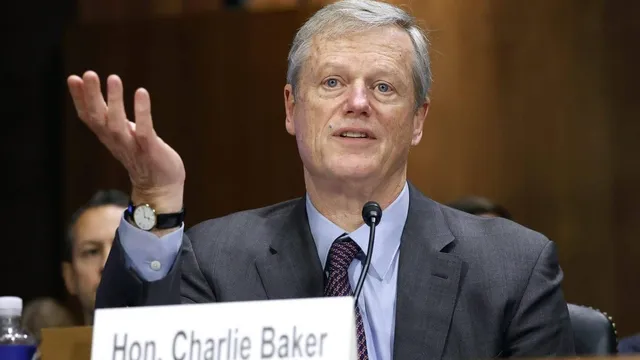
NCAA president Baker opposes betting on player transfers
NCAA president Baker opposes betting on player transfers
- NCAA has expressed strong opposition to prediction markets for college sports.
- Kalshi intends to offer betting on player transfers, but markets are currently unavailable.
- The NCAA's stance highlights growing concerns over gambling risks and integrity in college athletics.
Story
On December 18, 2025, NCAA president Charlie Baker reasserted the NCAA's strong opposition to prediction markets related to college sports. This declaration came shortly after Kalshi, a company managing prediction markets, filed paperwork with federal regulators to begin offering bets on college player transfers. While no markets were available for public betting at the time of the announcement, Kalshi's intent to allow bets on which athletes will enter the NCAA transfer portal has raised concerns among college sports officials. The NCAA's restrictive stance is rooted in a heightened sensitivity to the integrity of college athletics, especially with the ongoing scrutiny over gambling violations and game-fixing investigations involving college athletes. The NCAA has recently faced challenges with several Division I men's basketball players being banned for various infractions, including manipulation of game outcomes, making illegal bets, and not cooperating with NCAA investigations. This has contributed to the NCAA's cautious approach to gambling and betting markets, especially those that could implicate college athletes. Following Kalshi's announcement, the NCAA sought to distance itself from the company, requesting specific terminologies in how its prediction markets were presented, indicating concerns about potential associations or partnerships that could mislead the public about the NCAA's involvement in gambling activities. Moreover, the NCAA has been proactively working to eliminate the growing influence of gambling in college sports, further invigorated by proposals aimed at banning prop bets involving college athletes altogether. These efforts come amid fears that illicit activities could undermine the credibility of college sports, which depend heavily on their reputation. The NCAA has listed rigorous integrity safeguards and has made communication with Kalshi regarding these issues a priority as it responds to the evolving landscape of college athlete betting and the legal complexities it entails. With the opening of the transfer portal periods for football on January 2 and basketball thereafter, the NCAA remains vigilant, emphasizing the importance of maintaining a clear boundary between amateur athletics and gambling. The close timing with the transfer periods indicates that further developments on this issue may expedite discussions about how betting markets are integrated—or not—into the realm of college sports gambling, underscoring an ongoing tension amidst the broader context of regulatory measures and athlete rights.


