

Waymo outperforms human drivers in safety statistics
Waymo outperforms human drivers in safety statistics
- Waymo's service saw a staggering rise to about 400,000 driverless rides per week by 2025.
- Despite Waymo's advancement, 1,429 incidents were logged by NHTSA, including 117 injuries and two fatalities.
- The future of self-driving technology hinges on government regulations and balancing safety alongside innovation.
Story
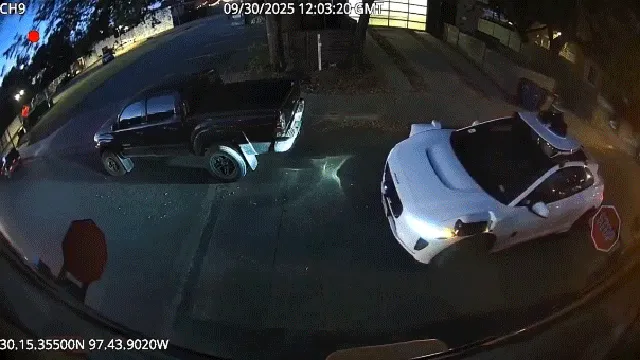
In the United States, the emergence of robotaxi services, particularly by Waymo, is reshaping urban transportation. By 2025, Waymo reported having provided around 15 million driverless rides, with a significant increase to approximately 400,000 rides per week. Despite these advancements, concerns remain regarding safety; since 2021, the National Highway Traffic Safety Administration (NHTSA) documented 1,429 incidents involving Waymo vehicles, which included 117 injuries and two fatalities. This incident tally does raise questions about the overall safety of self-driving technology. Many users have mixed experiences with these services. For instance, a user mentioned being dropped a mile away from their intended destination, highlighting a limitation of the system at present since no human driver is there to assist in these situations. Additionally, some vehicles operate with safety monitors on board, especially in regions like Austin, Texas. Among them, Tesla is also making strides with its robotaxi service, although it is significantly trailing behind Waymo in terms of offering comprehensive driverless experiences. The operational strategy of Waymo includes remote human oversight, where operators remotely assist vehicles facing confusion by drawing paths via camera feeds. Such measures are implemented as a precautionary practice, indicating that even these advanced systems have 'confusion' moments requiring human intervention, which draws attention to the delicate balance between automation and safety. Furthermore, the company's pricing model, at an average fare of $8.17 per ride, contrasts with Tesla's competitive pricing that averages around $1.99 per kilometer. Government policies are also evolving to address the rise of self-driving technologies. Recent Congressional discussions have targeted setting national regulations for self-driving cars, which would supersede existing state laws. As the sector continues to grow, balancing innovation against public safety concerns will remain a critical challenge for lawmakers and the companies involved in developing these technologies.
Context
The increasing implementation of robotaxi services has raised critical discussions on safety measures essential for protecting both passengers and pedestrians. With the rise of autonomous vehicle technology, a comprehensive approach to safety is necessary to ensure public trust and the successful integration of these services into urban mobility ecosystems. Key safety measures encompass robust technological frameworks, regulatory compliance, and continuous monitoring to address potential hazards inherent to autonomous driving. Understanding and mitigating risks associated with sensor malfunction, software errors, and environmental unpredictability is vital. Furthermore, thorough testing in varying conditions and intensive simulation assessments can substantially enhance the reliability of robotaxi services before they become operational on public roads. An essential component of safety measures involves the establishment of strict operational protocols that govern how robotaxis interact with human drivers, cyclists, and pedestrians. This includes predefined rules for common scenarios faced on the road, such as yielding to pedestrians at crosswalks and managing right-of-way effectively. Additionally, integrating advanced communication systems that allow robotaxis to provide real-time updates to other road users enhances situational awareness and minimizes the risk of accidents. Stakeholder engagement, involving city planners, transportation authorities, and the public, is fundamental in developing these safety protocols to ensure they reflect community needs and expectations. Regulatory frameworks play a critical role in overseeing the deployment of robotaxi services. Local and national governments must create comprehensive legislations that address the unique challenges posed by autonomous vehicles. These regulations should encompass licensing, insurance requirements, data privacy concerns, and mechanisms for accident reporting and investigation. Additionally, clear guidelines related to vehicle maintenance and technology updates are essential to maintain rigorous safety standards. Collaboration between the automotive industry, technology developers, and regulatory bodies can lead to the creation of adaptive regulations that evolve with advancements in autonomous technology. Finally, public perception and education about robotaxi safety cannot be overlooked. It is essential to build public confidence in the safety of autonomous vehicles through transparent communication regarding design and operational safety measures. Educational campaigns can inform the public about the technology behind robotaxi services, emphasizing rigorous testing, continuous improvement protocols, and accident response strategies. Building a safety-first culture around robotaxi services is key to fostering acceptance and encouraging a seamless transition to this innovative mode of transportation. As robotaxi services evolve, ongoing research and adaptation of safety measures will remain critical to ensuring they meet the highest safety standards.


