

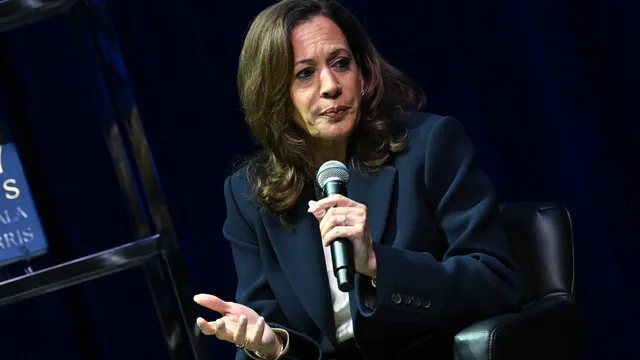
Kamala Harris endorses Jasmine Crockett in pivotal Texas Senate race
Kamala Harris endorses Jasmine Crockett in pivotal Texas Senate race
- Kamala Harris endorsed Jasmine Crockett in the Texas Senate primary ahead of the March 3 election.
- Crockett's campaign has criticized the Democratic Party’s previous focus on appealing to Republicans.
- This primary will be a significant test for Democratic strategies in the Republican-leaning Texas.
Story
In the United States, former Vice President Kamala Harris has stepped back into the political arena by endorsing Democratic Representative Jasmine Crockett for the Texas Senate primary, marking her first significant political endorsement since her 2024 presidential campaign defeat. This endorsement was confirmed by the Crockett campaign and comes as the Texas Democratic Senate primary is set for March 3, 2026. The contest, viewed as a crucial test for the Democratic Party in a traditionally Republican-leaning state, pits Crockett against state representative James Talarico, both seeking the nomination to challenge incumbent Senator John Cornyn. Crockett, who served as a national co-chair for Harris during her presidential run, has adopted a combative stance against the Republican establishment and emphasized her intention to raise issues that matter to working-class voters. Her campaign has been characterized by a call for sharper messaging and increased engagement with the Democratic base, which she has described as feeling sidelined during past election cycles. Conversely, Talarico has positioned himself as a moderate candidate who can attract not only Democratic voters but also independents and some Republicans. This appeal reflects a strategic approach aimed at expanding the Democratic electorate in Texas. The political landscape in Texas is unique, with a long history of Republican dominance. This upcoming primary is particularly significant as it may set the tone for the Democratic party's strategy in future elections across the state. Many view Harris' endorsement of Crockett as an overt attempt to energize the progressive wing of the party and rally support behind a candidate who embodies a more confrontational stance against conservative policies. Nonetheless, this strategy carries risks, given Texas’s conservative lean and the potential backlash from moderate voters who may prefer Talarico’s bipartisan approach. Political analysts note that Harris' support is intended to unify the Democratic base as they gear up for a challenging election against incumbent Republican candidates. As tensions rise leading to the primary, both candidates will likely need to refine their messages to ensure they resonate with an electorate that has varied interests and priorities. The outcome of this primary will not only influence the race for the Senate but may also signify the future trajectory of Democratic strategies in the state. With early voting already underway and the stakes high, the spotlight will remain on who can effectively galvanize support and present a viable challenge to Republican dominance in Texas.


